
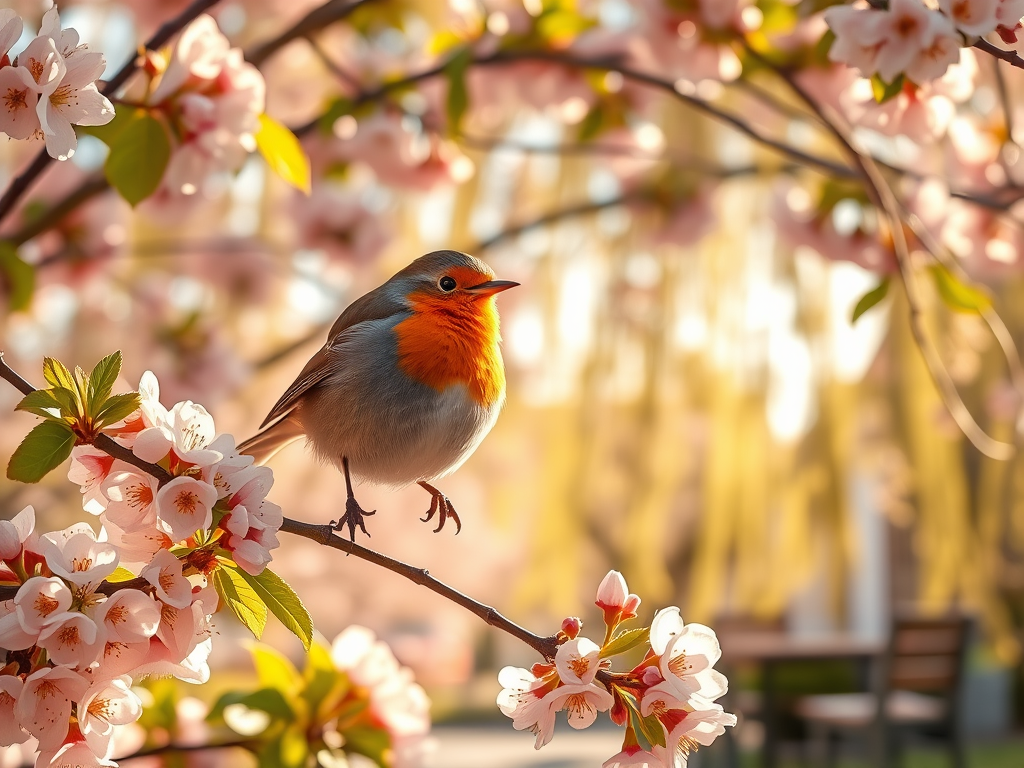
When I was a child, spring arrived when my mother exclaimed, “Look! The first robin!” No matter that frost in Pennsylvania could linger into May, her excitement at spotting that small, orange-breasted bird signified that spring had officially begun.
As I walked through my neighborhood, filled with the sweet fragrance of flowering pear and cherry trees, I reflected on my mother’s lifelong struggles with anxiety and depression. Her joy at seeing the first robin represented more than just the change of season; it symbolized hope and the promise of brighter days after winter’s gloom.
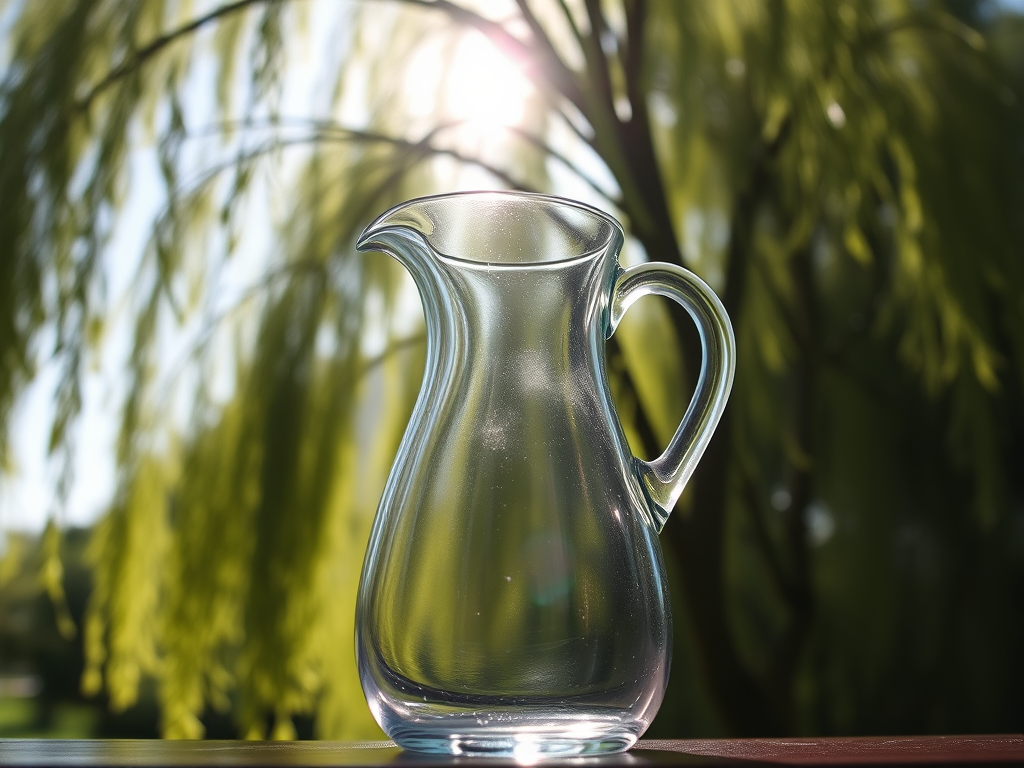
To me, spring meant longer days and the countdown to the end of the school year—shedding my heavy winter coat. It brought an expectation of summer and the barbecues to come, with roasted chicken and corn on the cob at the old picnic table near the weeping willow. I pictured my mother in a pale pink sleeveless dress, pouring iced tea from a glass pitcher. I heard her laugh, a soprano’s lilting trill. I imagined us driving to the lake, swimming, and reading books—me immersed in a Jane Austen novel, while she tackled an Agatha Christie mystery.
Our reading tastes never aligned; mine were literary, seeking guidance on how to navigate life as a woman in a changing world. Her preference leaned toward fiction that offered amusement and engaging stories rather than complex characters.
I sometimes wondered why I never asked her about her choices. Perhaps I understood, on some level, that books meant time with my father not time alone. Most of her reading occurred at bedtime with my father by her side. As their marriage of over four decades crumbled, she lost the innocence of the childhood sweethearts they once had been. She remained tied to domestic life—shopping, cooking, and grappling with the bitterness that arose from her naive belief that some version of the good life revolved around marriage and children, rather than self-discovery. His infidelity, as he searched for someone new during his defeats and dashed hopes, struck her to the core, but, still, she stayed with him.
My mother’s experiences shaped my resolve to avoid the traps of believing in myths. It hardened me, or perhaps it was a lifeline I could never quite untangle, even if I had wanted.
Had I ever truly known Gertrude, the woman with luminous brown eyes who wept at the sight of a dying bird and tried nursing it back to health with an eyedropper? I knew her as the woman who cooked countless dinners for our family, despite her dislike for cooking, who remained rail thin and seldom touched dessert—until she grew older and traded her evening Manhattans for two generous dollops of strawberry ice cream each night. I knew her as a mother who planted zinnias and tomatoes every summer and who wore high heels even to go out shopping. I knew her as the mother who often told me I was strong and courageous when deep inside I understood—although not until after she was gone— how alike we were in many ways.
And the robin’s call. Even as she grew older, she looked forward to that first robin, its flash of brilliant orange and its sweet song that meant spring had arrived. They say robins are associated with loved ones who have passed away. Perhaps she thought of her mother and her hope to see her again one day.
I continued walking, past a flowering magnolia tree, its white-pink petals spread beneath it like a bride’s wedding train. A bird tweeted its song. I paused to listen. My mother’s robin?
Author’s note: This is a revision of memories of my mother written several years ago. Like so much of our writing, when we come back to a piece, we often see something we didn’t see before.


They (those mothers) find pleasure in simple and beautiful things. And that Robin is beautiful. Enjoy spring.
LikeLike
Thank you, Margaret. Writing about our mothers is often not easy but the rewards are many.
LikeLiked by 1 person