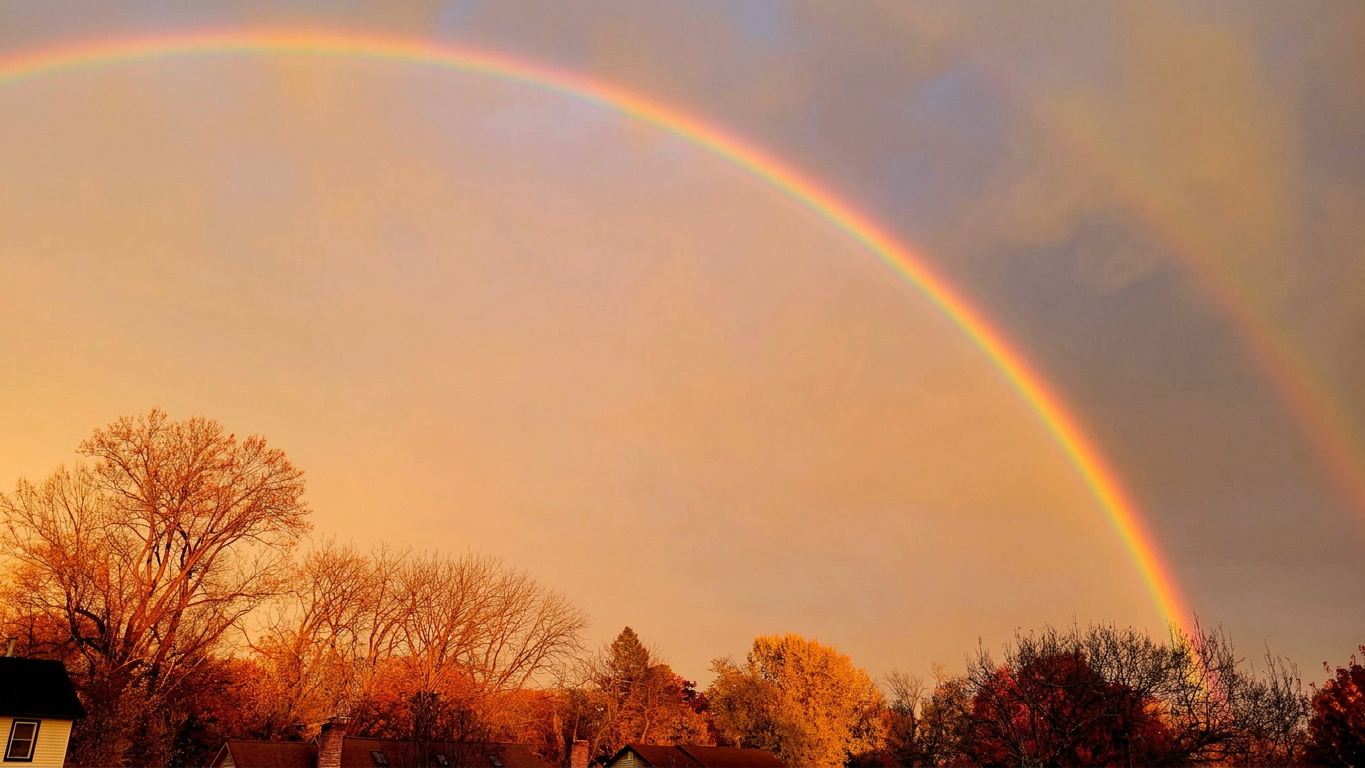
The rainbow arched over the flaming red maple trees, up and above the rooftops and out to the horizon. Its vivid hues of pink and turquoise had been put there, she felt sure, because something wonderful had happened this week, and it was a sign. The storm had passed—a sign, not just of hope, but of expectation of more peaceful days to come.
One reason I’ve been on a creative writing journey is to express myself, find my voice, and, most of all, reflect. So the rainbow over my neighborhood served as a reflection on a week that ended with hope, gratitude, and, frankly, shock—shock that money and power had been turned away. And now I write to chronicle this journey.
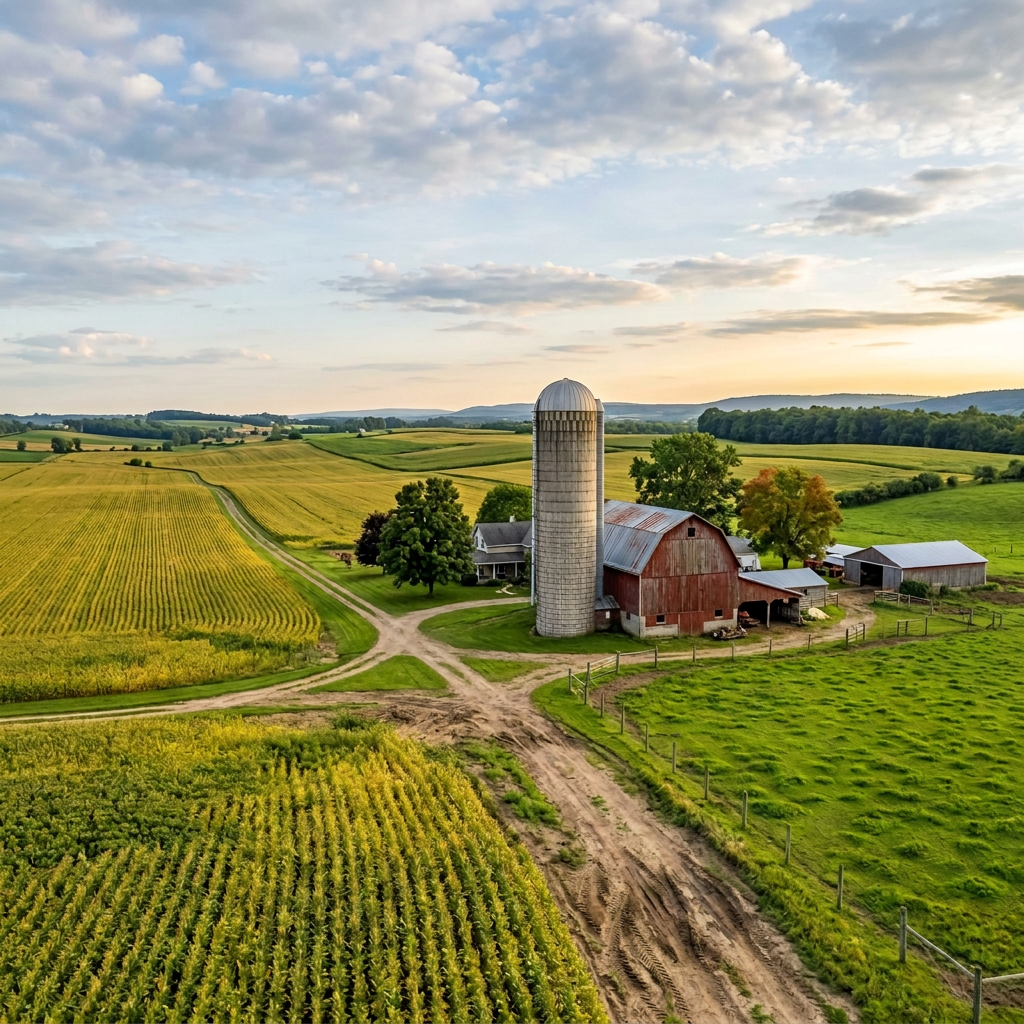
For the past three years, I have been actively working to save the 237-acre farm up the road…attending public meetings, writing letters to officials, and using social media…although my effort to save this landscape of beauty began back in 2008. The land was for sale then, too, and I tried—unsuccessfully—to get a petition going in my township to preserve it as open space through an open space tax referendum. It met with fierce resistance. Years passed, and no one bought the land, although developers made several unsuccessful attempts to build warehouses and other unsuitable uses.
Now, once again, the specter of dense development threatened this pristine vista where, on a recent day, fields of dried corn glowed golden in autumn sunlight. A small country road runs through Lionville Station Farm, built in the horse-and-buggy days and untouched since. It was on this road that I had traveled many decades ago when my sons were children, taking them to their elementary school in the neighboring township; days when much of this land was still country, not carved up into housing developments, gas stations, car washes, and almost every other imaginable form of development in Chester County, Pennsylvania, where people have a lot of disposable income.
On Wednesday night, a decision was to be rendered on whether to turn the land into almost 500 houses and a huge indoor swim complex built for state and national swim meets. The developer contended he had met what the community wanted—setting aside an area for open space and recreation, although a homeowners’ association would manage it for the most part. And I have heard enough horror stories about homeowners’ associations to know this was a bad idea, even if 494 homes wasn’t enough. As for the swim complex, it was projected to bring in half a million visitors a year to our area, where our old, failing highways and roads pose hazards to motorists and pedestrians alike.
I could have stayed home that night; after all, I had been speaking out against this plan for three years, presenting research on traffic and the fiscal impact of development versus open space, but something compelled me to go and have my say one last time. This is what we do when we believe in something as strongly as I did, and have the confidence to say what we mean and what we believe. As writers, we are especially equipped for this purpose: to inspire and encourage, and as writers, it is our sacred obligation. As Mary Pipher writes in Writing to Change the World: “Writers can change the way we think and transform our definitions of right and wrong.”
I was just one of more than a dozen people speaking out, some in favor, some not. The three supervisors who would decide the farm’s fate finally had their say…and, shockingly, they unanimously concluded that developing the farm at this density was “not in the public interest.”
Now, we await to see what comes next, but in the meantime, I think of that rainbow and how it arched over my neighborhood with breathless beauty. This was the same week the nation had voted overwhelmingly to change course. If I had ever had doubts, they were gone; there was indeed a harvest at the end of that rainbow.
I had always felt that if the farm were destroyed, bringing more traffic, more air pollution, more loss of beauty, I would sell my house and move. This is the house where I still remember him bringing home young forsythia bushes and planting them along the wooden fence, which, while weather-beaten and rickety, still stands. This is where I buried a beloved dog and where my children pitched their tents in the backyard on warm summer nights. This is where I have lived the better part of my life.
For some who wanted the housing plan approved, I became nothing more than a NIMBY, a Not In My Backyard annoyance depriving the school district, owner of the property, of their rightful money. But many, many others like me saw it for what it was. A money grab without thought or care for what we might call our legacy, the agricultural heritage we could leave to future generations. And while the battle is not yet over and the developer has threatened to come back with another proposal, this one for warehouses, for now, I feel safe. Public pushback is strong, and the open space tax was approved in 2024; the fight for open space continues. We will again need to contact officials and attend meetings, but this past week our elected officials have recognized the farm as “iconic” and the vista as historic. So for now, I will not sell my house. And reflect on that rainbow, which surely was a sign.