
Oftentimes, when we write about our mothers, we write as if she is watching over our shoulders. We’re still that child waiting for her to walk in the room, never quite sure what she has to say or what’s up her sleeve that day. We are afraid to offend her, to write something unpleasant, critical, or unflattering of the woman we call mother.
By writing about my mother, I give writers the “permission” to write about their mother. This is what I’ve learned, I say. Whatever you write, the journey always ends with a greater appreciation for her. How is that possible? Writing doesn’t judge. It’s an exploration, an excavation. It offers permission to see her as fully human with all her strengths and weaknesses. Whether we write out of love, curiosity, anger, or even out of the need to heal and put the trauma behind us, the memories that surface lighten us, the fear disappears and we find the connection with her.
And so I wrote about my mother’s anxiety and depression, but also her gaiety. In my memoir Morning at Wellington Square, I remember the night my mother came home from a party, threw off her high heels, tossed her fur coat on the sofa, and danced around the living room like Isadora Duncan. As Joanna Russ notes in her iconic book How To Suppress Women’s Writing, women have historically been discouraged from writing stories of the everyday life of women as they are dull and of no literary value. And, of course, often too revealing and threatening, due to the social context they provide for posterity.
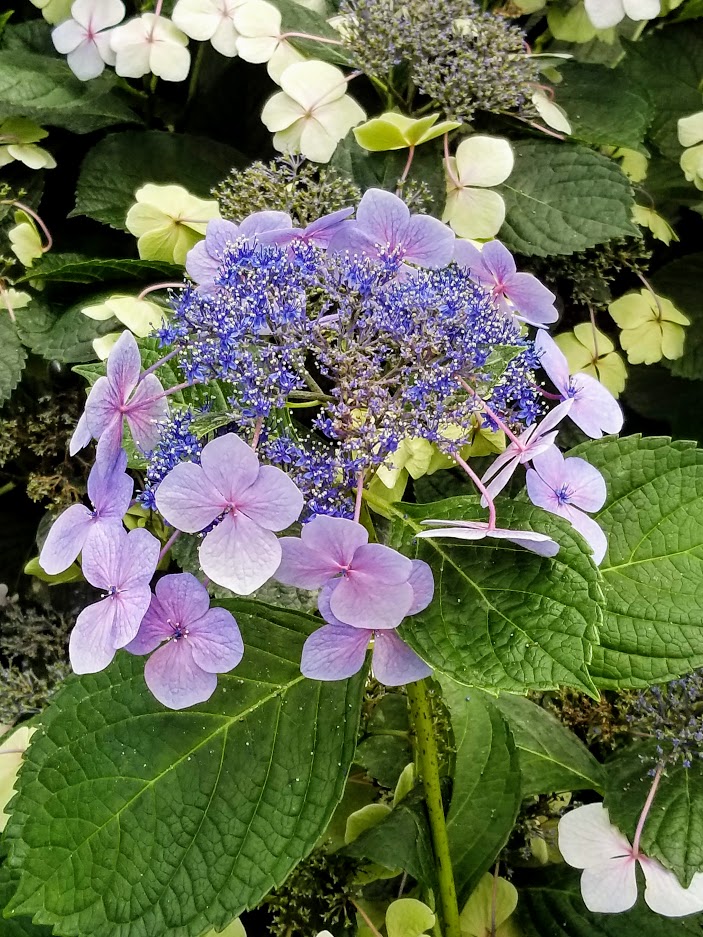
Although my mother rarely offered advice and when she did, it was “try marriage at least once” and “shave your legs on your wedding night,” she packed school lunches week in and week out for my brother and me. She planted zinnias and tomatoes, kneeling down in the brown earth, our cocker spaniel, Lucky, at her side. She cooked a mean rhubarb stew and succotash of sweet corn and lima beans. As evening approached, the cocktail hour was sacrosanct, her time to shed the depression and anxiety as she saw her possibilities dwindle — this after working as a babysitter, then as a clerk in the local gift shop, and, finally, at the John Wanamaker store in King of Prussia. In her fifties and without a college degree and no work experience (other than housewife and mother), this was all she could get. She liked that “little job” as she called it.
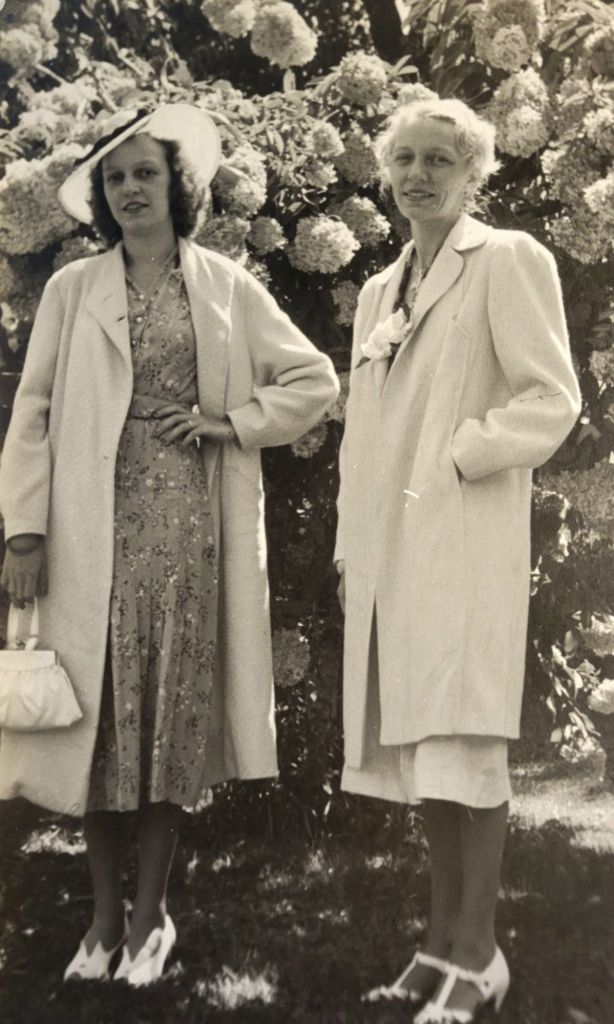
I remember driving to the department store one afternoon. I see her smile, the lone saleswoman in the coat department, as she talks to another woman about trying on a winter coat. Does it fit well, how does it look the woman asks? Mother had become the department store couturier, the woman whose own figure was slim and stylish. She wore high heels and dresses just below the knee and earrings that glittered with rhinestones and pearls and her unpretentiousness might seem laughable to Hollywood’s depiction of the saleswomen of Rodeo Drive or depicted in Pretty Woman.
She thrived on socializing. This was an “outing” driving to King of Prussia, earning what she called “pin money” leaving behind, at least for a few hours a week, the loneliness, the dreariness of the house in suburbia where neighbors rarely came out from behind their cloistered greenery and gardens of cocktails and country clubs.
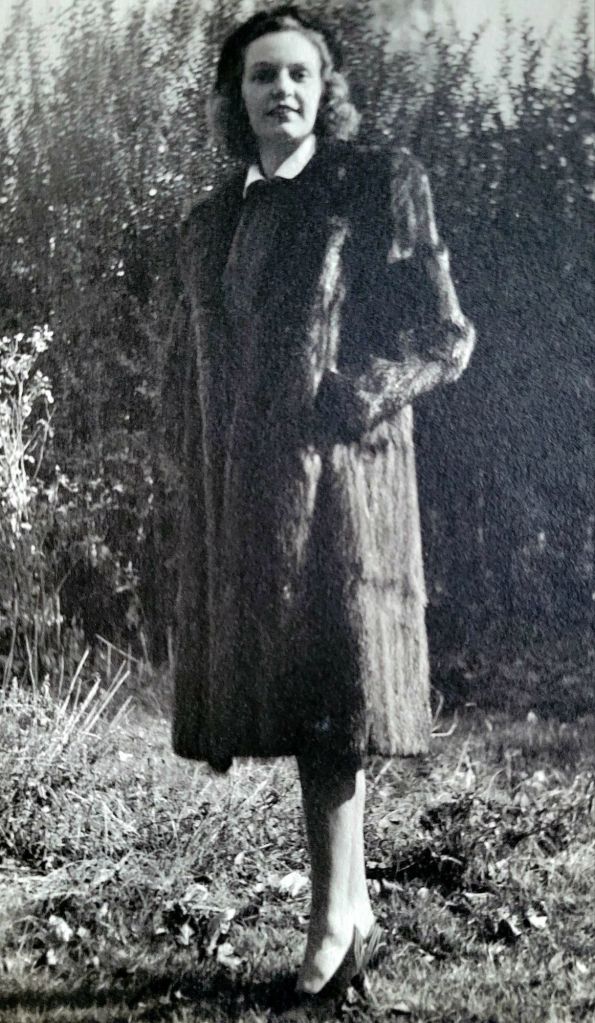
Boredom staked its claim along with depression in those days when my brother was long gone, off to pursue a career with his slim, blond wife and I had traveled to another state for college. Dad, her childhood boyfriend, had cheated on her by this time and the intricacies and web of staying together when a marriage was long past due haunted her but left her childlike, clueless as to how to live on her own, something she had never done in her entire life. She was still attractive in her fifties, with platinum hair, and had a brilliant smile and wide brown eyes. Those lessons — her lessons — served me well as I focused on reading and educating myself as a way to escape Gertrude’s fate.
And so I write about motherhood and remember…the mystique, the boredom, the sacrifice, the contract in perpetuity our mothers made so long ago.


I wrote some unflattering things about my family, including my mother, so I appreciate the way you characterize such writing as an “exploration, an excavation.” Those memories of Mother make her no less dear, no less precious to me as I reflect on her gifts to me on this special day.
Your mother looks elegant in the photos you selected. Thank you for this lovely tribute, which sparked a memory of bologna sandwiches in my lunchbox long, long ago.
LikeLike
Elegant WASP lady … lovely dresser. Beautiful. Dark side … anxiety and depression. So, it is a reminder to me to practice gratitude and not bring my sons down with anxiety and fears of aging. You, Marian, have written beautifully and in great depth about your family. I see a writing workshop you might offer on the horizon!
LikeLiked by 1 person
They were a crazy mix, weren’t they? And so confined by their era. At least some things improve over time – like our awareness of conditioning. (btw: I love Gertrude’s shoes.)
LikeLike
Crazy mix indeed! Punishing her husband for the affair but never leaving him. Her shoes … that and her attire and her sister’s so fabulous in an era of yoga pants and sneakers.
LikeLiked by 1 person