

I have found, over the last 16 years of running our Women’s Writing Circle, that writing has helped countless women heal from traumatic events, including myself. As Virginia Woolf once said about writing painful experiences, “Nothing has really happened until it has been described.” And by recording the trauma, the writer transforms into a survivor.
When we write as a way of healing, we can do this either through first person or, if we prefer, in the third person. While I love first-person memoir writing and Again in a Heartbeat was my attempt at processing grief over the death of my husband, the third-person narrative sometimes serves as a conduit for the writer to explore her psyche through a character in her story.
In my novel And the Memory Returns, Ava Stuart serves as a vehicle to explore the emotions and challenges that arise when a woman ages and realizes that her possibilities begin to dwindle. The characters she meets along the way serve as a focal point to understand some of that pain and find gratitude in living one day at a time.
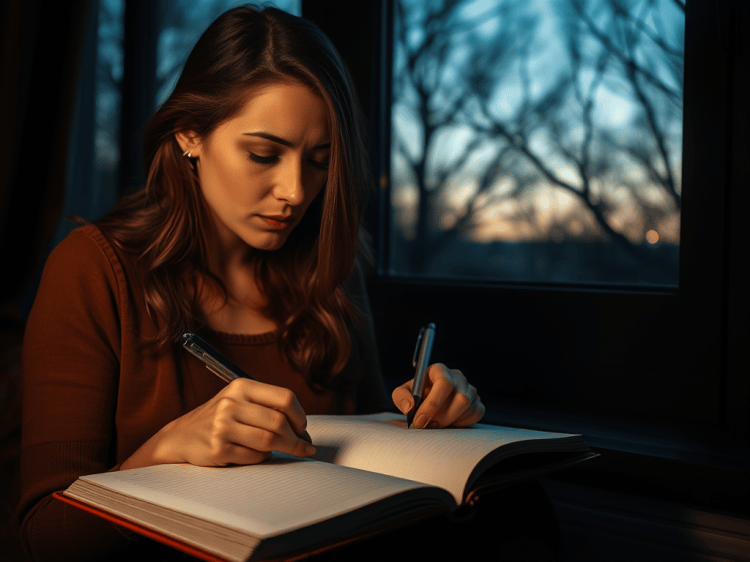
For some, like writer Elizabeth Strout, whose novel Tell Me Everything employs the omniscient narrator, the writer stands above, looking down at the people she writes about, guiding the reader through her story. This is a way to be objective and tell a story about ordinary people coping with the everyday challenges of life. The writer’s voice is measured through characters that reflect her worldview.
Writing as a way of healing and the inevitability of unburdening oneself and moving on are at the heart of why we write. The pain and injury we’ve endured, whether from a horribly critical or abusive family member or a total stranger—the judgments that amount to a form of character assassination—we make our stand and say what we have to say. Sometimes, we say it to the person, sometimes not. Sometimes, we pull out a notebook or grab a napkin if that’s all we have, and write it down before the thoughts evaporate. It becomes prose, or poetry, or even a novel, or just a simple narrative, a few words strung together. Enough is enough. After this unburdening, we are free to set boundaries from either the person or the event and move on.
Finding an Exercise that Works
So, how do you use writing as a way of healing? The following reflection by a woman, written in third person, is an exercise that I used for myself. It was therapeutic in that it allowed for the exploration of my own emotions and the chance to gain clarity and perspective on difficult situations while letting her speak. You can try this by imagining a woman sitting at her writing desk and reflecting on her pain.

The finality of it crept over her gradually like twilight. She sat by the window and watched the sky deepen to blue-gray, the tree branches dark silhouettes against the fading light of the day. For a while, it seemed to her that no one noticed what was happening. How could this be? Then, when one person finally grasped the truth, her relief and gratitude overflowed. She had been heard.
She moved to her writing table and wrote: No one is immune to the ravages of unstable people. Some prey on the healthy and the sane and declare themselves the victims. Whether due to mental health issues or not, they drag the unsuspecting into their pit of anger and despair. Their prism of “reality” bends and warps with time, but the view never changes. There is something wrong with you, they declare to whoever will listen.
A line from a Mary Oliver poem came to mind: “There are many ways to perish, or to flourish.”
How true. She remembered her father’s words, “This too shall pass.” And as she had written about him, now she would eventually write about this, too. She had a story to tell. For her, it was the usual way of coping…writing, and maybe even understanding her own dilemma of trying to keep faith in a changing world where sometimes the rules no longer apply.
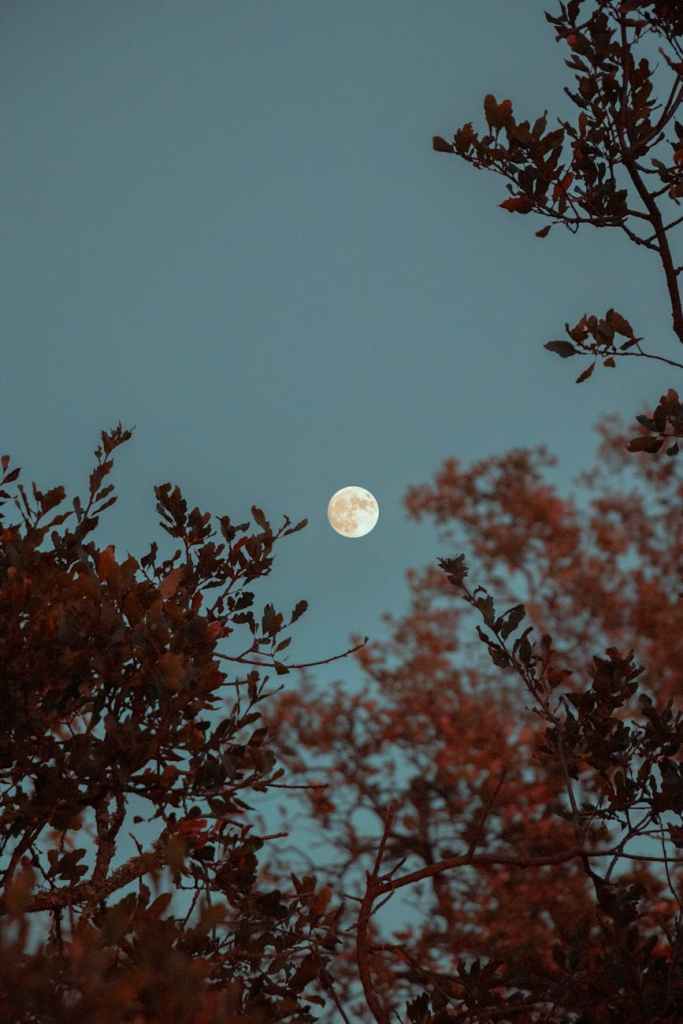
She put down the pen. Night’s dark cloak had fully enveloped the sky. She stepped outside and there—high above the treetops—a full moon rose, brilliant in its clarity and shape.
What are your thoughts on writing as a way of healing, and what techniques do you use in that process?


My tendency is to write to help me figure something out rather than to heal.
However, my best friend recently died. There were not a lot of people I know who knew her, and so I couldn’t talk about her very much. But I knew I needed to process my feelings, and so I wrote about Rose, and about our friendship. Then I read it in our Writing Circle. And I sent a copy to her daughter and to a mutual friend. I really did make me feel better.
LikeLiked by 1 person
Marilyn. Thank you for your thoughts. Sometimes “figuring something out” is a pathway to healing or a way to process grief. I remember you reading your beautiful reflection about your best friend and how it resonated with all of us who have known loss. That’s wonderful you sent a copy to her daughter.
LikeLike
Thanks Susan. I like the idea of third person as a means of distancing oneself. Also love the photo of the woman with two pens in her hand. We sometimes have so-o-o much to say! All at once.
LikeLike
Thanks, Margaret, for your comment. I agree that third person offers distance. It’s definitely why many memoir writers eventually turn to fiction. That picture was generated by AI. A useful tool on occasion.
LikeLiked by 1 person