Memorable Halloween Moments: Crafting Your Story

Knowing how to create mood in your writing is vital to a good story. Halloween is the perfect season to explore memories brimming with mood and feeling that bring the reader into your world. What are your memories of Halloween? These are some of mine.

Halloween was a gift of burning leaves, pumpkins, and cornstalks, and witches and ghouls flying on front porches and tree branches. It started when Mother climbed into the attic and came back with boxes full of paper pumpkins that opened up like accordions, and black cats with arched backs and big yellow eyes to hang in the windows.

On the night before Halloween, Mischief Night, my friends and I ran through the darkness, tree branches outlined against the bright moon. With a bar of Ivory soap, we covered car windshields and, if we felt bold, windows and storm doors. We rang doorbells and dashed away. We laughed as we tossed toilet paper over bushes and tree branches. Our neighborhood had two-story brick colonial houses hidden behind ancient oak and maple trees, their leaves falling in the moonlight. Dogs howled and barked late into the night.
Out of respect, we never smashed carved pumpkins, although most people brought them in from porches and driveways on Mischief Night. Some of the meaner teenagers did that, and it cast a pall over the fun of Mischief Night to see those poor, smashed faces crushed and ruined in the street.

I had already carved my jack-o’-lantern, hollowed out the pulpy goop and seeds, and carefully used a straight-edged knife to make triangles for eyes and nose, and a joker-like mouth with teeth. Mother brought me a half-burned-down candle from dinner parties. I dug a small pit in the bottom of the pumpkin, lit the candle, and dripped wax into the pit before securing it. When I put the lid on and the candle was lit, I could smell the earthy, pumpkin aroma that is forever Halloween. Then came the moment. We turned out all the lights in the kitchen. Our jack-o’-lantern glowed on the table with pure witchcraft.

My favorite part was when Mother brought the gypsy costume tucked in tissue paper down from the attic. Mother had worn it when she was young. Alone in my room, I tried on the outfit, excited. The yellow ruffled skirt, peasant blouse, and red scarf with little bells that tinkled as I tied it around my head changed me from a plain girl with brown hair and gangly legs into someone mysterious. I spun in front of the mirror, my skirt swirling around me.

Witches flying across full moons and ghosts rising from graveyards were the images that brought magic and mystery to a little girl who believed her imagination could make her anything she wanted.

I put on my winter coat over my costume to stay warm in the cold October air, and Mother gave me a big paper bag for trick-or-treating. My friends and I, all in our costumes, went from house to house. People opened their doors and asked, Who are you? Or what do we have here? We stepped into the warm light of living rooms, unaware as children of the hidden struggles some families faced. I only understood those things when I grew older. I remember Mrs. Tattenall, who I later learned died from lung cancer after many years of smoking and drinking. She always gave out the best treats: big Milky Way bars and small paper bags decorated with moons and witches, filled with M&M’s and gum.

Maybe it was the love of home and family, as much as the gypsy costume and the thrill of pretending to be someone else, that made Halloween so special. Memory, when combined with happiness and imagination, infused Halloween in years to come with magic and otherworldliness, apart from day-to-day reality.
Gathering for the Timeless Story

What does it mean to feel both ageless and ancient in a single moment? In her famous novel, Mrs. Dalloway, Virginia Woolf writes: “She felt very young; at the same time unspeakably aged.”

Isn’t that the definition of the writer’s life, too? A new morning, a new blank page, and with it the journey of self-discovery, the exploration that often leaves one feeling vibrantly alive and yet “unspeakably aged.”

Someone asked me the other day how long I had been writing…since I was about nine or ten years old, I said. The journey ultimately led to a career in journalism, followed by a focus on writing essays, memoirs, and fiction.

Yesterday, at the first public readings from our anthology, Moments of Love, I read from my short story “The Bishop’s Gift.” The journey of writing had brought me to this moment, an audience of interested and expectant faces, of friends, family, and those who had come to listen, which is the greatest gift a writer can receive. My story was about a woman seeking meaning and finding the answer in a simple encounter of love and affection.

Our writers had practiced reading their work, keeping it to four minutes, pausing between paragraphs, and projecting their voices, yet the luminous quality of their stories and poems was what infused the room with the timeless story.

Stories of losing a beloved husband, but moving on with faith and endurance; confronting a whole new set of challenges as we age, yet remembering youthful triumphs to embrace our strength; and looking back at a moment in time, not realizing that one last drive with a best friend would be the final ride together and the lasting memory.

As the sun shone through the elongated windows of the room where we held our reading and I looked out at those gathered, I felt both young and aged. How long had I been writing? Going on seven decades now? How could I not keep writing? We don’t live writing in our minds, but we welcome it as our gift to the community.

Writers celebrate and support each other. We play with language and words, develop our craft, but in the final analysis, we offer a tapestry of human experience. We bare our souls on the page. As we gather in community, we embrace youth and the expectation of even more amazing days to come, along with the wisdom, experience, and vulnerabilities of the timeless story.

Using Writing as a Pathway to Healing

I have found, over the last 16 years of running our Women’s Writing Circle, that writing has helped countless women heal from traumatic events, including myself. As Virginia Woolf once said about writing painful experiences, “Nothing has really happened until it has been described.” And by recording the trauma, the writer transforms into a survivor.

When we write as a way of healing, we can do this either through first person or, if we prefer, in the third person. While I love first-person memoir writing and Again in a Heartbeat was my attempt at processing grief over the death of my husband, the third-person narrative sometimes serves as a conduit for the writer to explore her psyche through a character in her story.

In my novel And the Memory Returns, Ava Stuart serves as a vehicle to explore the emotions and challenges that arise when a woman ages and realizes that her possibilities begin to dwindle. The characters she meets along the way serve as a focal point to understand some of that pain and find gratitude in living one day at a time.

For some, like writer Elizabeth Strout, whose novel Tell Me Everything employs the omniscient narrator, the writer stands above, looking down at the people she writes about, guiding the reader through her story. This is a way to be objective and tell a story about ordinary people coping with the everyday challenges of life. The writer’s voice is measured through characters that reflect her worldview.

Writing as a way of healing and the inevitability of unburdening oneself and moving on are at the heart of why we write. The pain and injury we’ve endured, whether from a horribly critical or abusive family member or a total stranger—the judgments that amount to a form of character assassination—we make our stand and say what we have to say. Sometimes, we say it to the person, sometimes not. Sometimes, we pull out a notebook or grab a napkin if that’s all we have, and write it down before the thoughts evaporate. It becomes prose, or poetry, or even a novel, or just a simple narrative, a few words strung together. Enough is enough. After this unburdening, we are free to set boundaries from either the person or the event and move on.

Finding an Exercise that Works

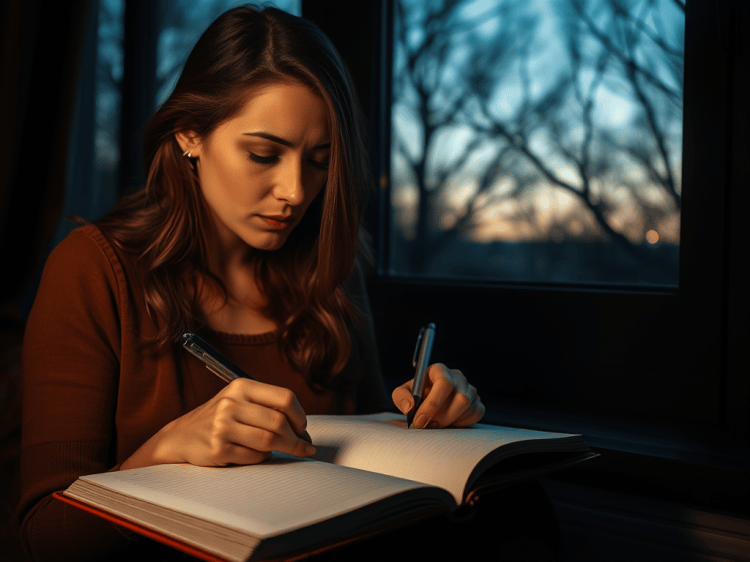
So, how do you use writing as a way of healing? The following reflection by a woman, written in third person, is an exercise that I used for myself. It was therapeutic in that it allowed for the exploration of my own emotions and the chance to gain clarity and perspective on difficult situations while letting her speak. You can try this by imagining a woman sitting at her writing desk and reflecting on her pain.

The finality of it crept over her gradually like twilight. She sat by the window and watched the sky deepen to blue-gray, the tree branches dark silhouettes against the fading light of the day. For a while, it seemed to her that no one noticed what was happening. How could this be? Then, when one person finally grasped the truth, her relief and gratitude overflowed. She had been heard.

She moved to her writing table and wrote: No one is immune to the ravages of unstable people. Some prey on the healthy and the sane and declare themselves the victims. Whether due to mental health issues or not, they drag the unsuspecting into their pit of anger and despair. Their prism of “reality” bends and warps with time, but the view never changes. There is something wrong with you, they declare to whoever will listen.

A line from a Mary Oliver poem came to mind: “There are many ways to perish, or to flourish.”

How true. She remembered her father’s words, “This too shall pass.” And as she had written about him, now she would eventually write about this, too. She had a story to tell. For her, it was the usual way of coping…writing, and maybe even understanding her own dilemma of trying to keep faith in a changing world where sometimes the rules no longer apply.

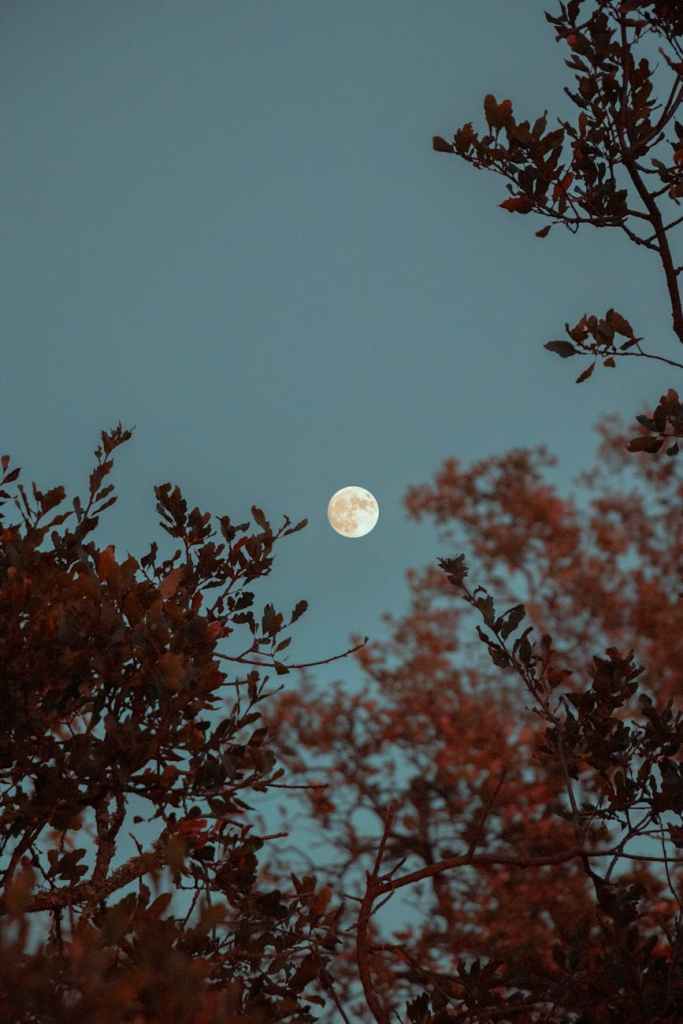
She put down the pen. Night’s dark cloak had fully enveloped the sky. She stepped outside and there—high above the treetops—a full moon rose, brilliant in its clarity and shape.

What are your thoughts on writing as a way of healing, and what techniques do you use in that process?

Heart and Soul Offered in New Anthology: Moments of Love

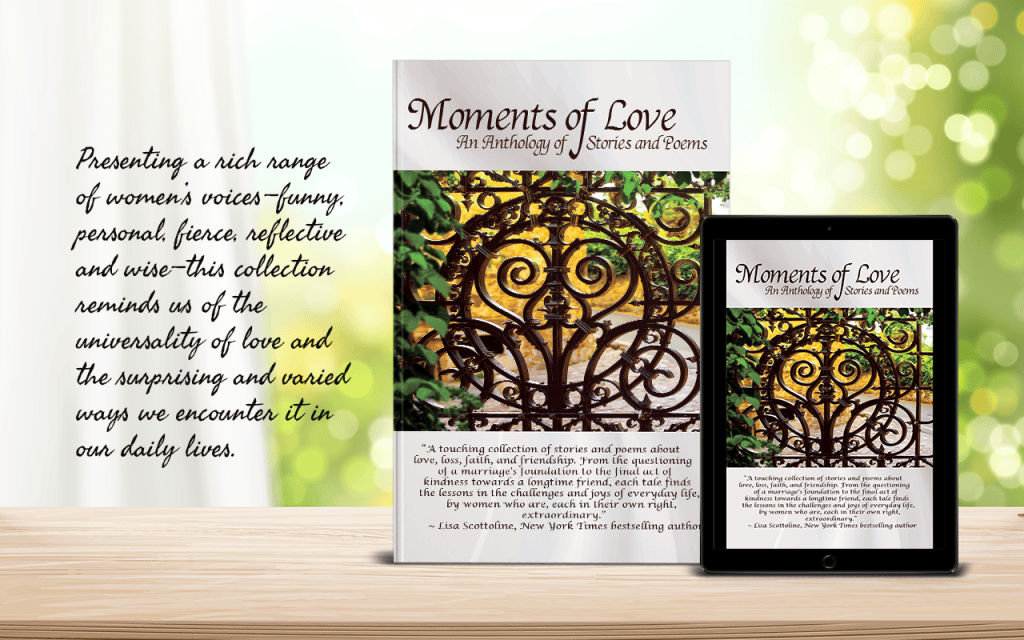
Have you read a story with pure heart and soul? If so, you know it is a gift. That’s what our writers offer in Moments of Love: An Anthology of Stories and Poems.

Thirteen writers offer their honesty, reflections on love, and vulnerability. Take, for example, this excerpt from Karen S. Mittleman’s story “Mulch and Damages.”

As with most marriages, there are rich layers of history here. For most of our twenty-three years together, Bill has tried to please me, in a way that often feels unwelcome and even suffocating.  For my part, I have assumed the leading role in our partnership—handling everything from taxes to childcare to vacation planning—often leaving Bill feeling overly “managed.”

Or this in “A Mother’s Love Remembered” by Meri Jo Caggiano:

One day when she was trying to show me how to gently dig out a space between rocks to make room for soil and a plant, a small snake emerged from the hole. I jumped up and screamed, but Mom, not blinking an eye, gently scooped up the snake and relocated it, saying, “Don’t worry. It’s just a garter snake. He’s good for the garden.”

Our writers come from diverse backgrounds, but many have in common what Flo Shore, writer and editor of our anthology, notes: Memoir is a powerful tool for healing and reflection. As memoirists, we can expose varying perspectives and drive attitude change.

Not all of our stories are memoirs, of course. In my short story, “The Bishop’s Gift,” the narrator Chloe reflects on her life during a pilgrimage to Jerusalem and her attraction to a man after years of being alone.

She clearly understood that the Bishop resembled Michael with his dark hair, high cheekbones, and deep-set brown eyes, and that explained some of the attraction. She still felt young and desirous of male companionship, although if she were honest, she had to admit that there came with age a certain acceptance that she now enjoyed what youth hadn’t allowed. She had let go of the tiresome ambition to keep striving and demanding more of herself. As the years morphed one into another, it felt easier just being alone with her dog. Now she relished that first cup of coffee in the morning, reading the newspaper, the whole day hers to mold however she wanted…the absence of worry about getting the boys off to school or paying the mortgage.

After a year of writing, editing, and planning with our publisher, our book is now for sale. We are thrilled to offer this collection and the voices of women expressing themselves on issues, contemporary, groundbreaking, and traditional. (Here is more about our publishing journey.) All are members of the Women’s Writing Circle. Special thanks go to my friend and memoir author Marian Beaman for her endorsement of our book. And to Lisa Scottoline, New York Times bestselling author, for her support and endorsement.

In “Border Crossing”, a fictional story by Ginger Murphy, a librarian is touched by a mother from Ukraine. She comes into the library with her young daughter, desperate. The librarian offers solace and hope and a path to navigate crucial paperwork, to help her reunite with her husband.

“You have to help us,”  Sofiya said after a moment. “My husband tried to come over from Ukraine, too. But he went to Canada first. When he tried to cross the border into the United States, Canadian police would not let him come. I don’t know why.” Brenda watched as Sofiya unzipped the front pocket of her backpack. After extracting a water bottle and several packages of Nabisco peanut butter crackers, she finally pulled out a small yellow photo album. “Here is Symon, my husband. This was taken at our birthday celebration for my mother last year.”

There is a family history in the book, too. In “Grandma Hallman” by Cecilia Leathem, we are introduced to her Czechoslovakian grandmother, Teresa.

Grandma loved growing things and seemed to be able to produce an abundance of vegetables even in the poorest of soil. I do recall that she talked to her plants, admonishing them in her thick accent, “Now you grow.” She delighted in showing them to her grandchildren.

These are just some of the tantalizing excerpts from our book. There are many more stories and wonderful poems, and beautiful images in Moments of Love that complement the writing. Please support women who work hard at their craft, and then go a step further by taking the leap into publishing.

Links to order the book are available. The book is also available for your favorite bookstore or library to order.

.

Birthdays and Beginning Again

It’s July, my birthday month, and it always feels like a hot and humid affair. I’ve raised and lowered the porch umbrella so many times that I’ve lost count, as thunderstorms and lightning threaten more downpours.

As I look back on the last year, I did practice gratitude. Or so I tell myself, despite all the terrible things happening that can cut one to the heart. The July 4th of innocent children washed away in the horror of the night into the raging Guadalupe River in Texas haunts me. I imagine the water rushing into the mouth of the sleeping, the small head striking a moving log. Climate change is real, but so is the fact that life can end, for the young and innocent, in one horrifying moment.

On this birthday, I see the wind rustling dry sycamore leaves along the sidewalks outside the Dachau concentration camp, which I visited with my sons in September. How does one move from this devastation of the human spirit and life? But somehow we do. We travel to the center of Munich, order an ice-cold beer, take deep draughts, and watch the glockenspiel ring in the 6 o’clock hour as we celebrate their birthdays.

Remembering February, the snow dusts the brown azaleas under my living room windows. The bitterly cold days seem endless. The stories from women in my writing group slowly filter in, the warmth of different voices, different stories of love and loss. The writing, always the writing, winding its way into my life, my compass of contemplation and reflection. My hope to gather in the moment through the written word before it’s gone.

The spring came, and the rain softened to mist as evenings grew longer. I boarded a plane to Istanbul. The city was filled with the romance of Constantinople, and its impossibly old cathedrals and mosques. Even under driving rain, so much that I could wring out my socks, soaked through from flimsy cloth sneakers, the place was a marvel. And then onto Ephesus, sparkling in sunlight under perfect blue skies, the ancient Roman seaport where the apostles took Mary after the Crucifixion. Peach-colored roses in bloom.

All of this in one year, fighting off the fears of old age and the pointlessness of it all. Alone in the house, the hours dragging on, reading Intermezzo—and then—remembering Ephesus.

John—remembering him. The chemo treatments, the visits to the ER, the surgeries, the long, drawn-out years at the end. That last grueling birthday together. How could this happen to a good man, a man in his prime?  Like that raging river, beyond our control.

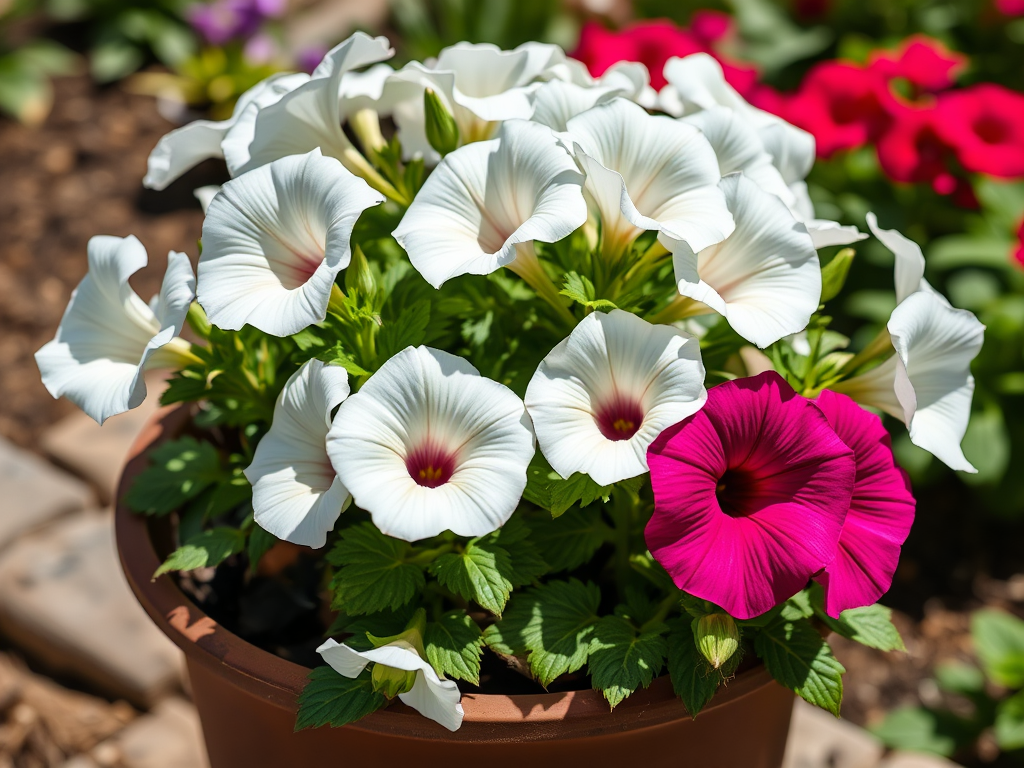
And so, on this birthday, I chose a pot of white petunias, colors made even brighter after my cataract surgery just four days prior. How vivid and clear are the colors! Was this how the world looked when I was a child? For so long, I’d viewed life through glasses, with murky yellow lenses that were my own, tired eyes. I thought those colors represented reality, yet here was this spectacle revealing the vivid vibrancy of life. What a surprise.

Another birthday and beginning again.

Cherishing Memories Through Writing

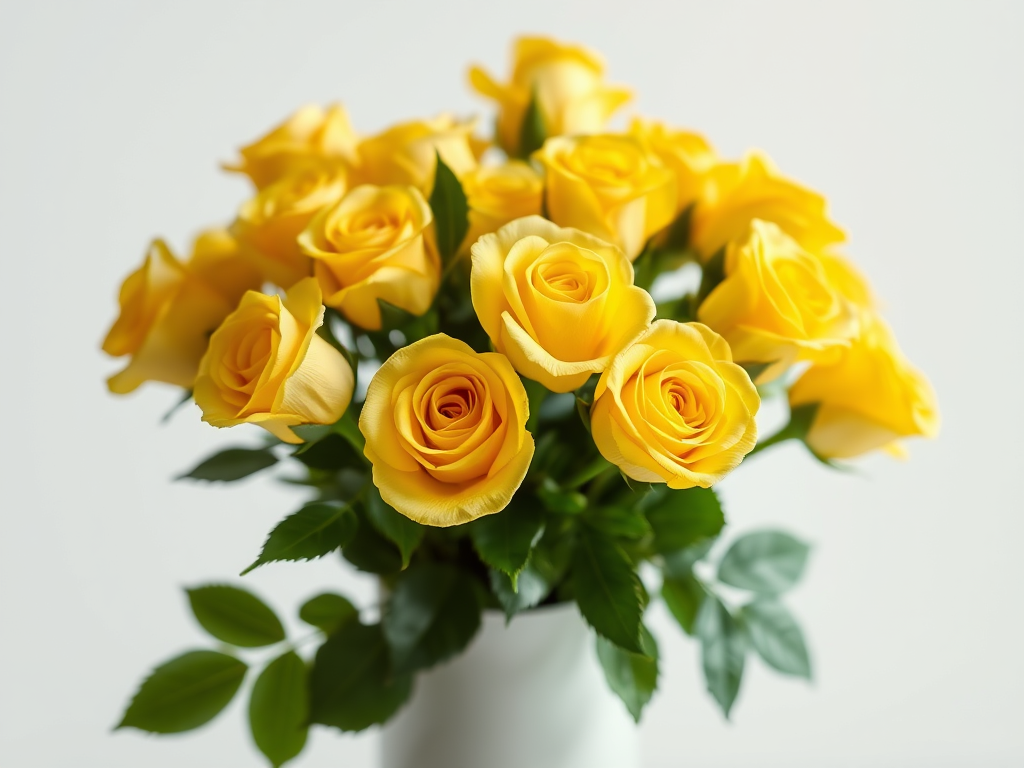
Yellow roses in a cream-colored Lenox vase grace my kitchen table. Thirty-seven years ago, John brought me a dozen yellow roses when our younger son, Daniel, was born. He entered my hospital room wearing turquoise-tinted aviator sunglasses. “Here’s looking at you, kid,” he said, handing me the flowers.

The cool hospital room, with its fluorescent lights and white walls, is brightened by his smile. The baby is napping in the nursery until they bring him in swaddled in a soft cotton blanket, a little white cap on his head. The nurse hands him to me. John takes off his sunglasses, stands up, and comes over to us. I hold the baby out to him. I can’t remember what he said to the baby. It’s not like now I can say all the things I wanted to say but never did, even if I could remember what they are, because I can’t.

Memory is strange, how it comes and goes. It shifts and takes different shapes and meanings. We savor the fleeting beauty of those moments that linger on the journey of who we are and will always be.

Today, I remember the birthday and anniversary cards he wrote me in his beautiful, flowing handwriting. I’ve saved them, unable to toss them out. I’ve stored them in a plastic bag —one of those squarish plastic bags that your sheets come in—thrown on the floor at the back of my closet. I unzip the bag. Why am I doing this, this foolish walk down memory lane of a life long gone? And there it is. The notebook.

On my 43rd birthday, he made me a notebook filled with pictures of things I love — a sunset over the ocean, and the two of us together in bed with our cocker spaniel Brandy. And corny poetry. Susan. Today is my special day because God sent you my way. And in your journey, you brought along your loving song. You sing it every day. As through thick and thin, you make your way. Your song is filled with love and caring, and I am lucky enough to be the one who is sharing.

Now I understand why I loved him and why he loved me. I don’t remember the last time someone said I had brought along a loving song. Memories, they say, are often based on their emotional impact and perceived importance.

Writing is my passionate lover now. No remarriages, no new relationships. Only this. Writing it down and sharing it with you.

***

This past weekend, it was heartening to see eleven women attend our Women’s Writing Circle. The room at the library was small and cramped, barely accommodating us, but I loved it. What an amazing turnout for a June morning with new faces, too! Thanks to the library newsletter, they had heard about us. The writing and the memories. So diverse, so interesting, so many voices. Over the years, the secrets revealed…the conversations vague and sometimes difficult to write…but always the desire to cleanse, to heal, and to understand the memories before it’s too late.

Writing exacts its demands, even when we think we have reached the point of no return. It captures and distills memories, laden with joy and with grief. And for me, of the man who walked into the room with the turquoise sunglasses and an armful of yellow roses.

Are there memories that linger? How do you begin to write them?

Author’s Note: Today would have been our 48th wedding anniversary. “Here’s looking at you, kid.”

Exploring the Spiritual Journey Through Turkey

“Out beyond ideas of wrongdoing and rightdoing, there is a field. I’ll meet you there.” ~ Rumi

When I first shared my plans for a tour of Turkey with friends, most reactions were: “Are you sure it’s safe?”, reflecting a common perception fueled by media narratives. Even my doctor expressed his hesitation, mentioning the presence of Hamas, which caught me off guard.

Upon arriving in Istanbul for my welcome dinner, I brought this up with our tour guide, Mehmet. His response was revealing: “Hamas? What fantasy world is he living in?” I began to understand how much misconceptions and media portrayals can shape our views of a country like Turkey, which, despite its Muslim majority, is a place of vibrant history and culture. And as I was to learn over the next ten days, it welcomes travelers.

My motivation to visit Turkey stemmed from a deeper spiritual journey that began during a pilgrimage to Jerusalem sponsored by the Episcopal Church in March 2023. The opportunity to visit ancient Ephesus and the sites tied to the early Christian apostles called to me.

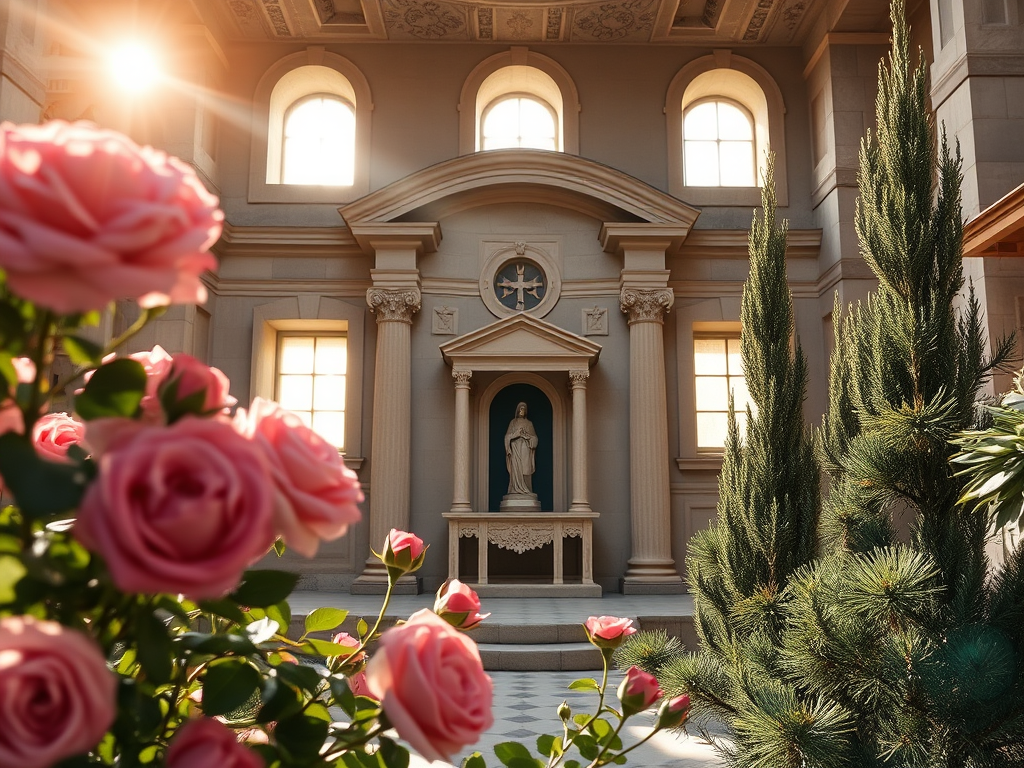
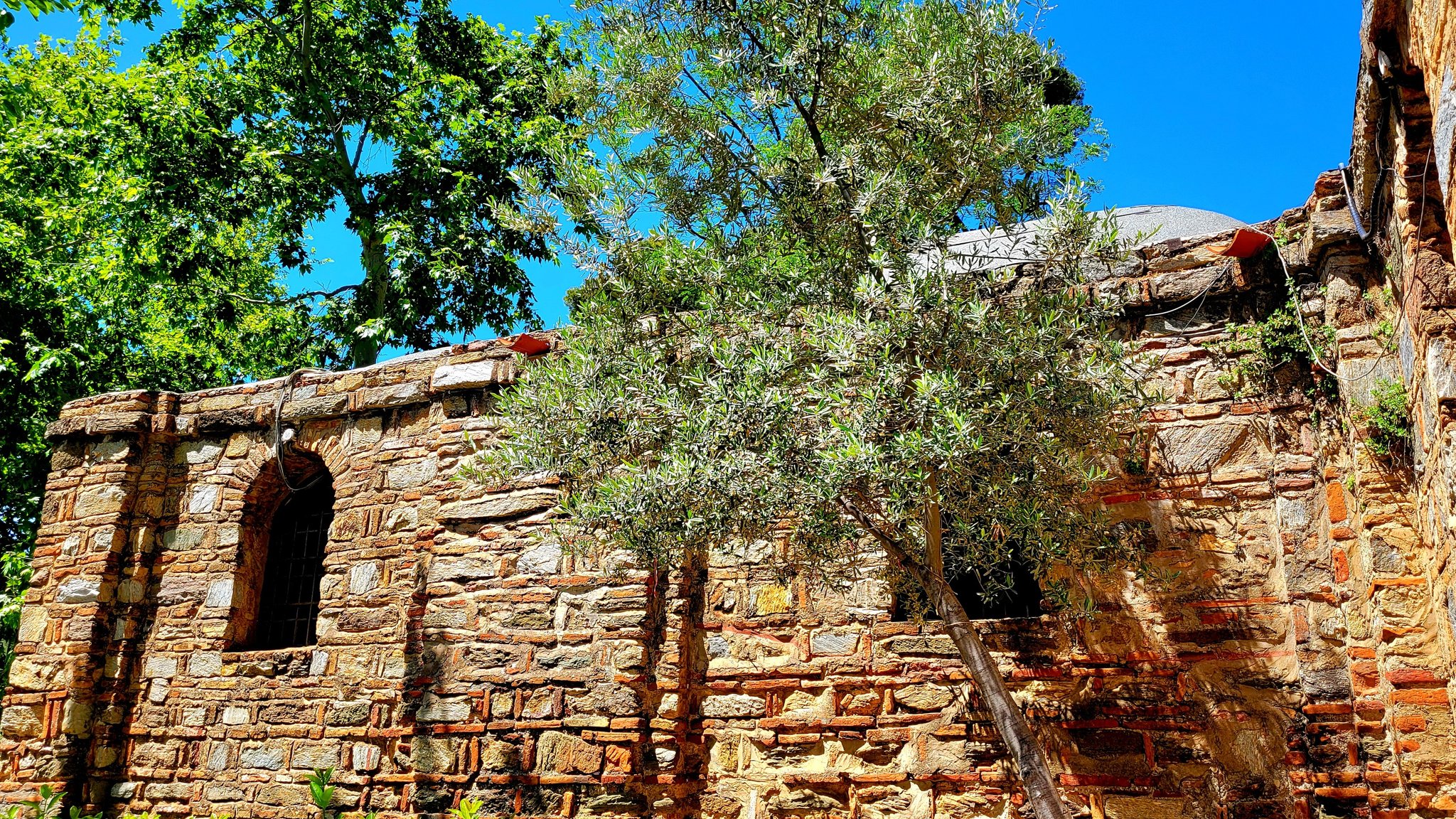
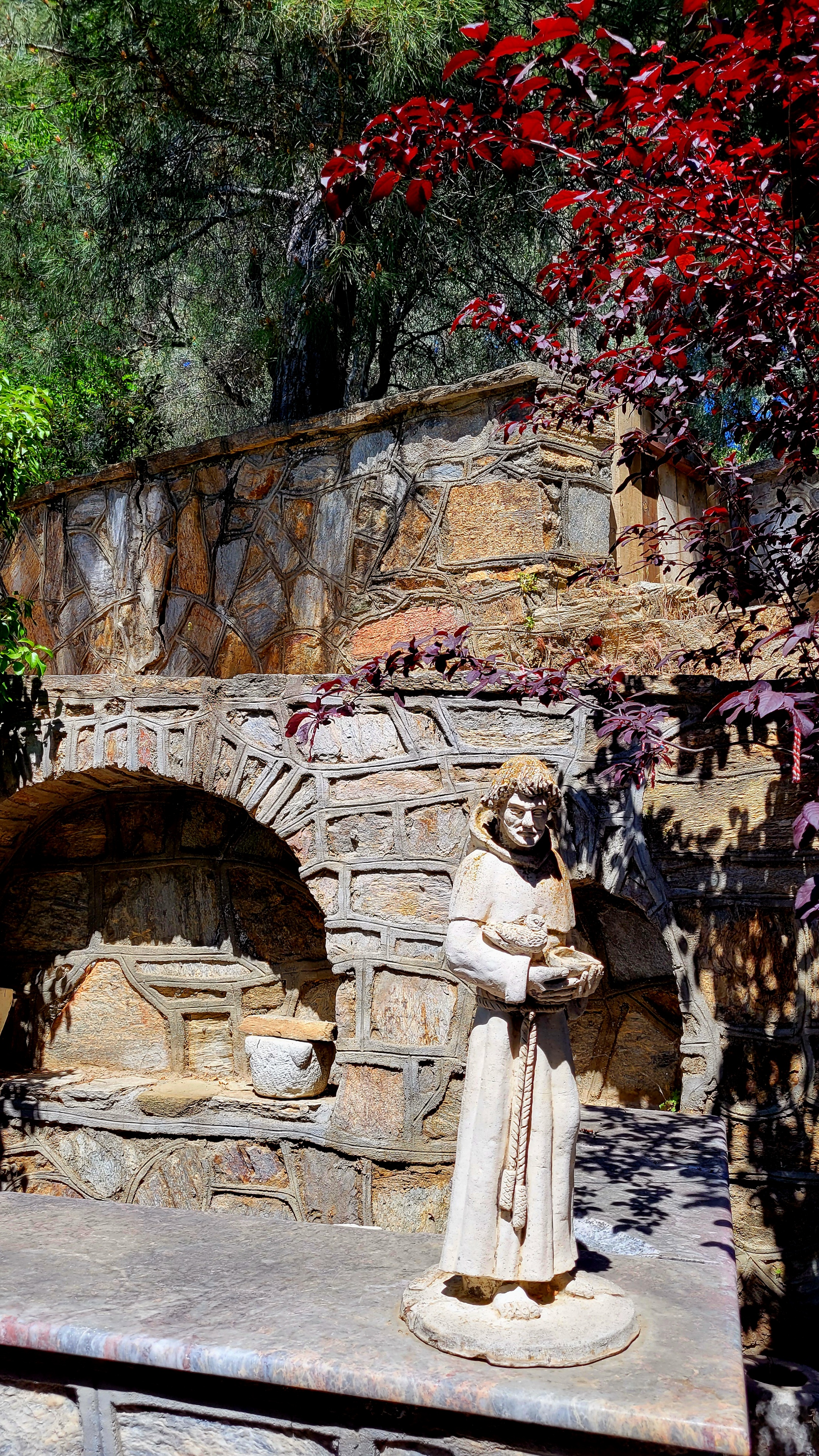
At Ephesus, on a hillside, I found the House of the Virgin Mary, surrounded by pink roses, cypress, and pine trees. According to legend, the Apostle John brought her here for safety and seclusion. I imagined the solitude and memories she must have held as she faced her grief for Jesus. The small altar inside, adorned with a mural of her and her son, spoke of quiet reflection. Visitors light candles and leave messages on a nearby wall. Reflecting on her grief and her journey, I chose to stand in the afternoon sunlight, trying to absorb her spirit in that hallowed place.

Turkey is a land where biblical history intertwines with reality. The Apostles Paul and Peter traveled here over land and sea through Cyprus and to Ephesus. The Apostle John is said to have spent his last days here until he died at the age of 98.
Standing under impossibly blue skies near his burial site, I felt an echo of those who had walked this earth before me. The landscape with its view of the valley below leading to the Mediterranean is rich and peaceful with color and texture, a stark contrast to the worries I had brought along. Was it safe? Was I physically fit enough to endure the long flight (from Philadelphia to Frankfurt to Istanbul), a 7-hour time change, and the lack of sleep?

As I stood on the stone pavilion marking the site of John’s burial, I felt much like I did at the House of Mary. A whisper on the wind, their spirit lingers, if you believe. This is the traveler’s reward. This is why we see the world. Our search for meaning and understanding ends in this place…we hold it close, take it home.

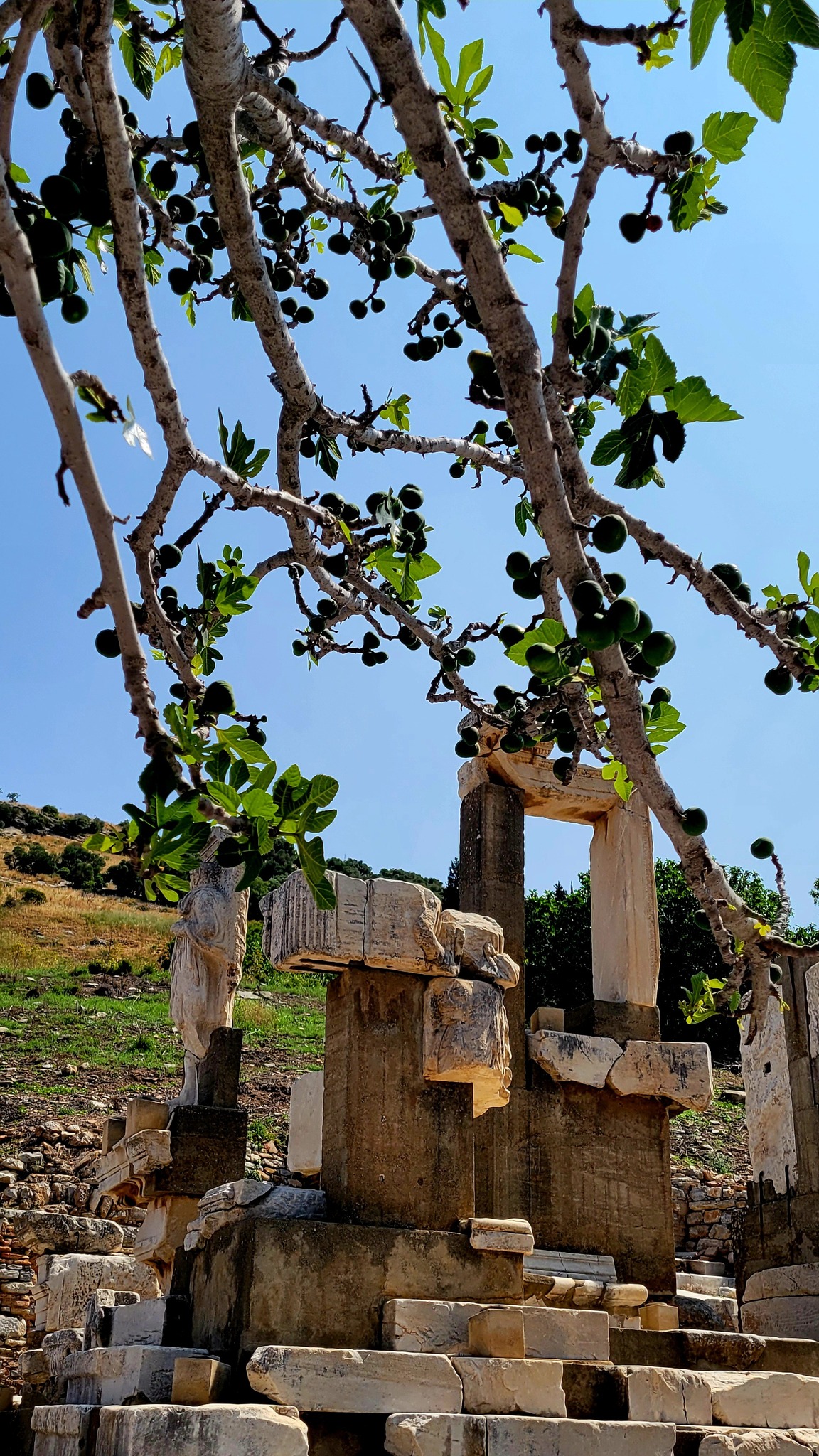
To get to this region, we flew in from Istanbul (this city of 17 million stands at the dividing line between Europe and Asia) and then traveled by bus past olive trees, their silvery-green leaves shimmering in sunlight, and the larger-leafed fig trees.

Along the highway, fields glow with the bright gold Spanish broom flowers, and peach and apricot trees are laden with fruit. A lunch of grilled meats, feta cheese, delicious slices of tomatoes and cucumbers, and lentil soup was served.

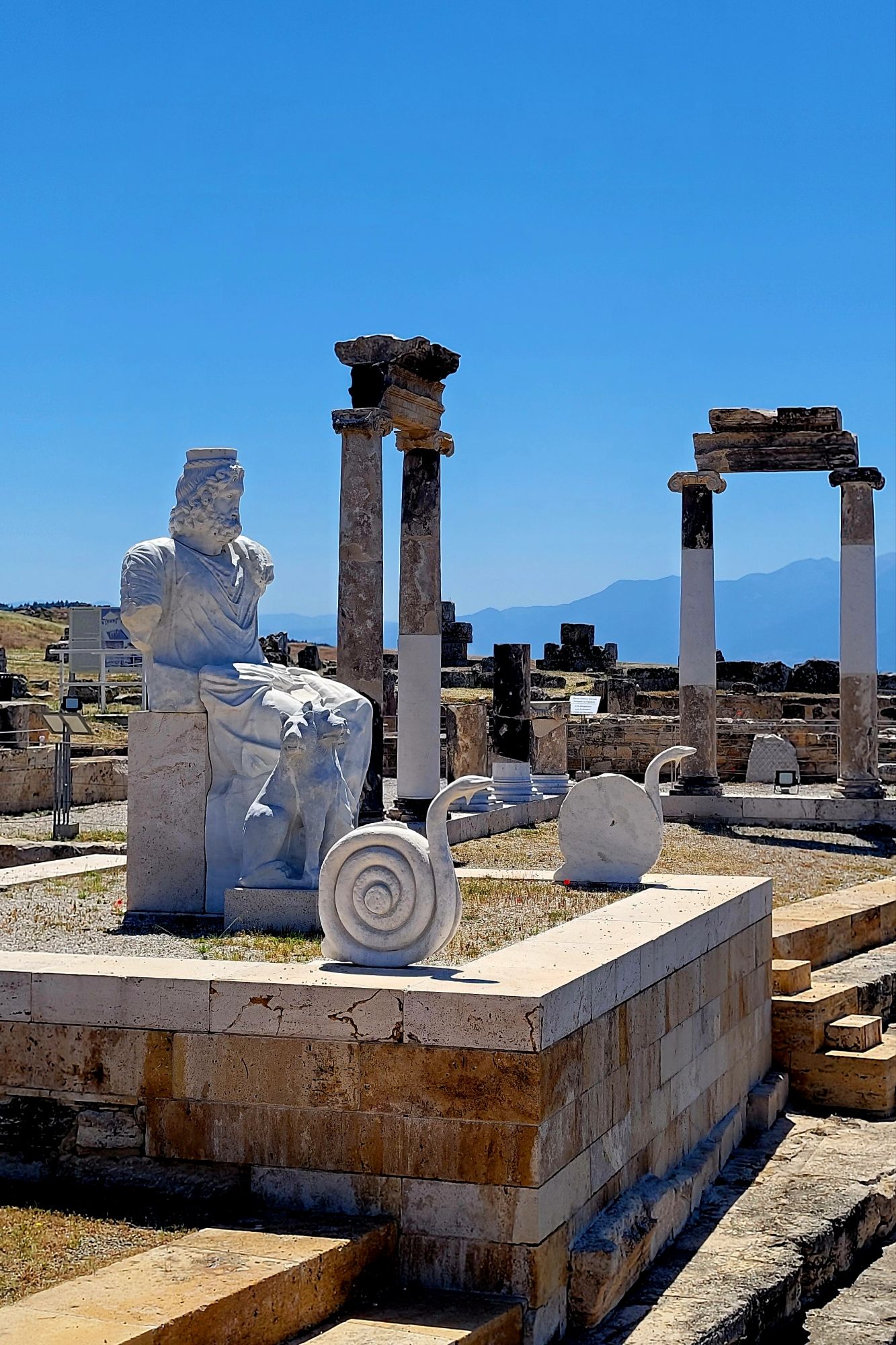
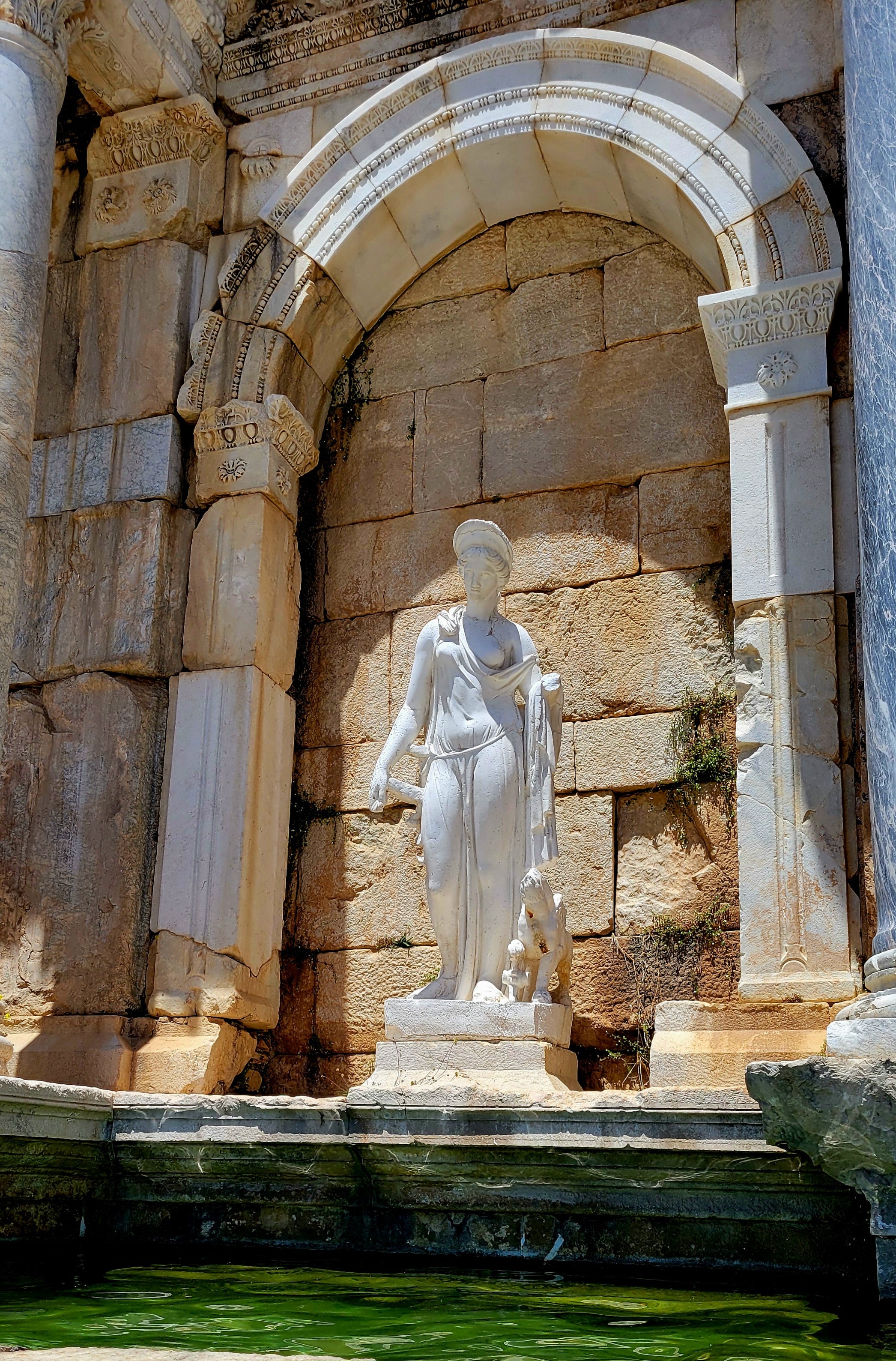
Continuing our journey through the Turkish Lake region, we explored Pamukkale, where an almost fully intact coliseum stood in testimony to ancient Rome’s grandeur. The remnants of temples, dedicated to deities and emperors, pointed to a rich tapestry of cultural reverence. Rock concerts have been held here, Mehmet said.

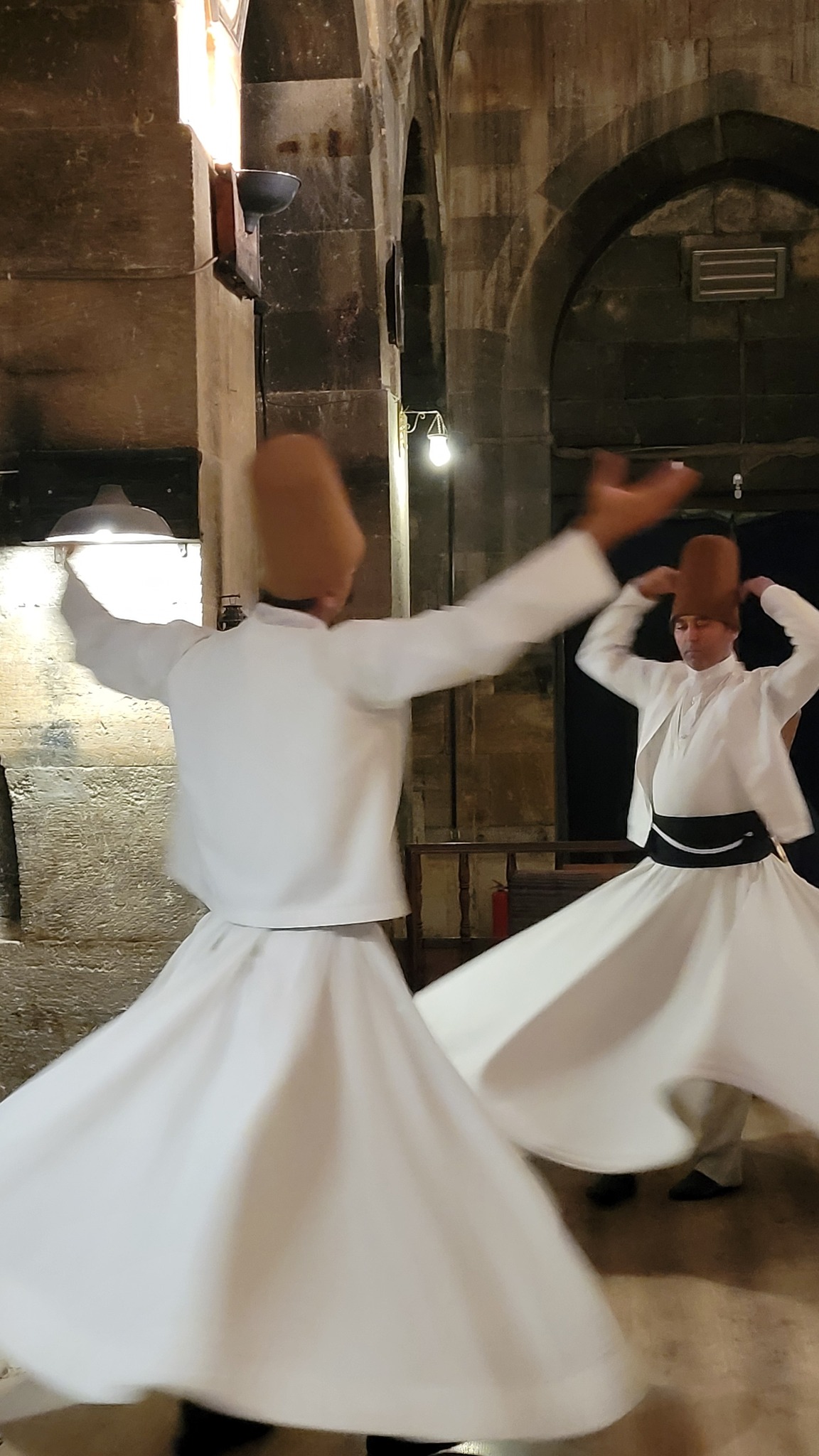
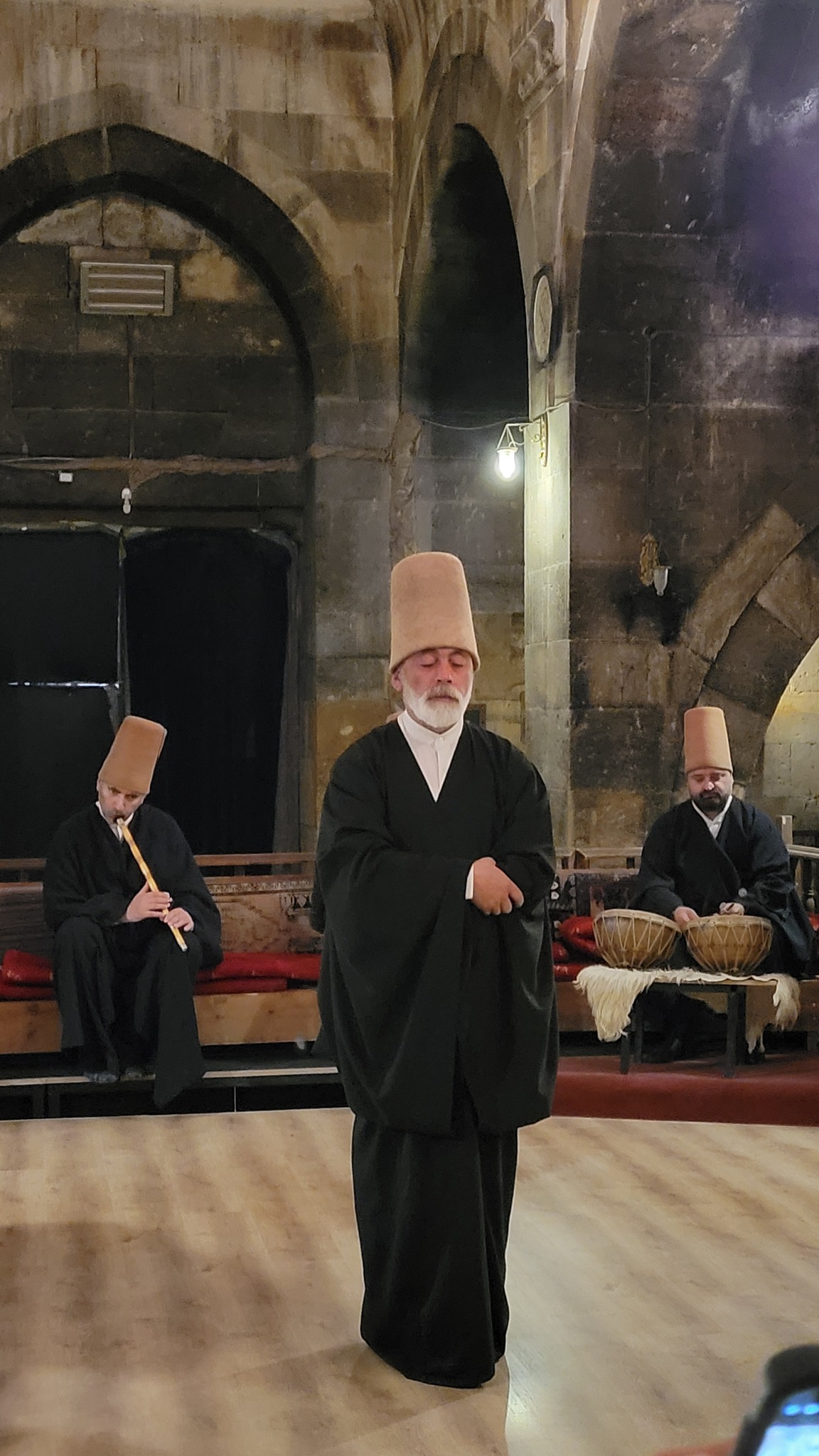
Experiencing the Whirling Dervish ceremony in Cappadocia provided a profound connection to the spiritual heritage of the country. Here, in a 13th-century mosque, male dancers in flowing white skirts embody the mystic principles of love and compassion taught by Rumi, a Persian poet and theologian. The dance is a form of active meditation, and they twirl, one hand raised to the heavens, one hand facing downward to death, their master standing in a black robe in the center. All wear tall tan hats, symbolic of their own headstones.

It struck me how, in this space of ritual, we pursue enlightenment together, regardless of our individual beliefs.

So it is that we meet in the middle, the middle where we all seek love, compassion, and a path toward enlightenment.

Throughout my travels, I sought to understand and respect the cultural differences that defined Turkey—its traditions, its faith, its uniqueness. The call to prayer from the minarets is heard five times throughout the day and night. There is a “sin tax” on wine. It’s forbidden to wear shoes once you walk into the mosques. Many women wear head coverings and require their young daughters to as well. Who am I to judge?

I saw no signs of unrest or danger, only a landscape rich with history and friendly people eager to offer us food and hospitality. Turkey offered me a journey not just to ancient sites, but towards understanding and connection, finding that field beyond judgment, where we all meet.

Author’s Note: I traveled on a solo tour with EF Go Ahead tours. It was the first time I had used this company. A medium luxury service, it offers value for the money. The solo tours do away with the expensive single supplement.

My Mother’s Robin

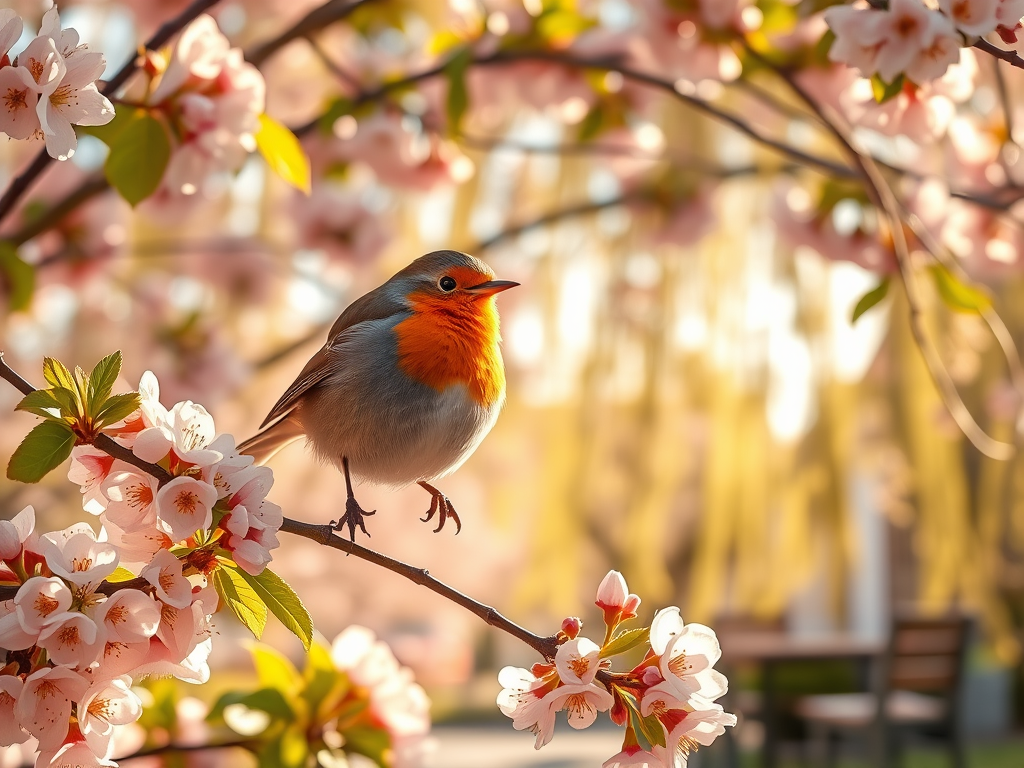
When I was a child, spring arrived when my mother exclaimed, “Look! The first robin!” No matter that frost in Pennsylvania could linger into May, her excitement at spotting that small, orange-breasted bird signified that spring had officially begun.

As I walked through my neighborhood, filled with the sweet fragrance of flowering pear and cherry trees, I reflected on my mother’s lifelong struggles with anxiety and depression. Her joy at seeing the first robin represented more than just the change of season; it symbolized hope and the promise of brighter days after winter’s gloom.

To me, spring meant longer days and the countdown to the end of the school year—shedding my heavy winter coat. It brought an expectation of summer and the barbecues to come, with roasted chicken and corn on the cob at the old picnic table near the weeping willow. I pictured my mother in a pale pink sleeveless dress, pouring iced tea from a glass pitcher. I heard her laugh, a soprano’s lilting trill. I imagined us driving to the lake, swimming, and reading books—me immersed in a Jane Austen novel, while she tackled an Agatha Christie mystery.

Our reading tastes never aligned; mine were literary, seeking guidance on how to navigate life as a woman in a changing world. Her preference leaned toward fiction that offered amusement and engaging stories rather than complex characters.

I sometimes wondered why I never asked her about her choices. Perhaps I understood, on some level, that books meant time with my father not time alone. Most of her reading occurred at bedtime with my father by her side. As their marriage of over four decades crumbled, she lost the innocence of the childhood sweethearts they once had been. She remained tied to domestic life—shopping, cooking, and grappling with the bitterness that arose from her naive belief that some version of the good life revolved around marriage and children, rather than self-discovery. His infidelity, as he searched for someone new during his defeats and dashed hopes, struck her to the core, but, still, she stayed with him.

My mother’s experiences shaped my resolve to avoid the traps of believing in myths. It hardened me, or perhaps it was a lifeline I could never quite untangle, even if I had wanted.

Had I ever truly known Gertrude, the woman with luminous brown eyes who wept at the sight of a dying bird and tried nursing it back to health with an eyedropper? I knew her as the woman who cooked countless dinners for our family, despite her dislike for cooking, who remained rail thin and seldom touched dessert—until she grew older and traded her evening Manhattans for two generous dollops of strawberry ice cream each night. I knew her as a mother who planted zinnias and tomatoes every summer and who wore high heels even to go out shopping. I knew her as the mother who often told me I was strong and courageous when deep inside I understood—although not until after she was gone— how alike we were in many ways.


And the robin’s call. Even as she grew older, she looked forward to that first robin, its flash of brilliant orange and its sweet song that meant spring had arrived. They say robins are associated with loved ones who have passed away. Perhaps she thought of her mother and her hope to see her again one day.

I continued walking, past a flowering magnolia tree, its white-pink petals spread beneath it like a bride’s wedding train. A bird tweeted its song. I paused to listen. My mother’s robin?

Author’s note: This is a revision of memories of my mother written several years ago. Like so much of our writing, when we come back to a piece, we often see something we didn’t see before.

The Independent Publishing Journey—’Moments of Love’

This morning, the April sun shines brightly, and I wake up with excitement knowing that our new anthology, Moments of Love, is coming together nicely.

Since 2012, I have been on an independent publishing journey, publishing my memoirs and novels through CreateSpace and Word2Kindle. (With my own imprint Writing Circle Press.) Moments of Love is our Women’s Writing Circle third anthology. The first, Slants of Light, was produced by CreateSpace, and the second, The Life Unexpected, was published by Lucky Stars Publishing, a small independent publisher.

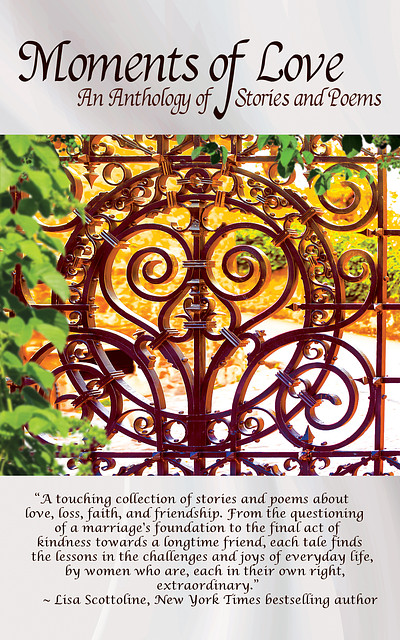
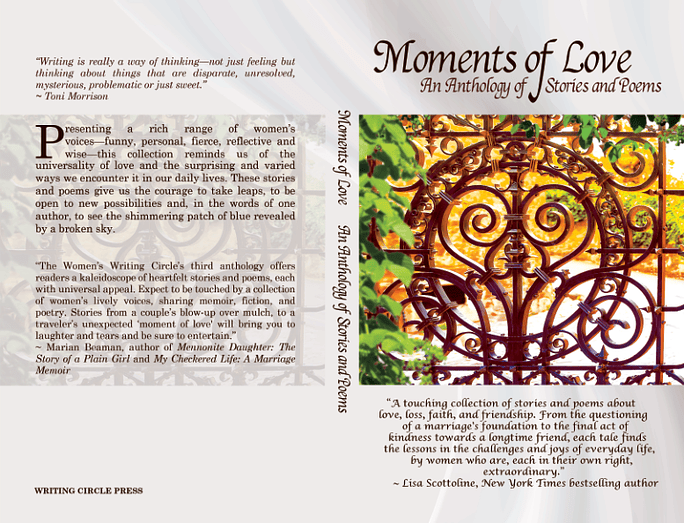
The journey from writing to publishing a book is filled with challenges. However, like any endeavor fueled by passion and commitment, it becomes rewarding in itself. Selecting a cover that truly embodies our theme of love in its many diverse experiences and facets was particularly challenging. I initially used AI to find an image I thought might work, but we quickly learned that AI-generated images often lack the resolution needed for a book cover. In the past, I have used my own photographs for covers.

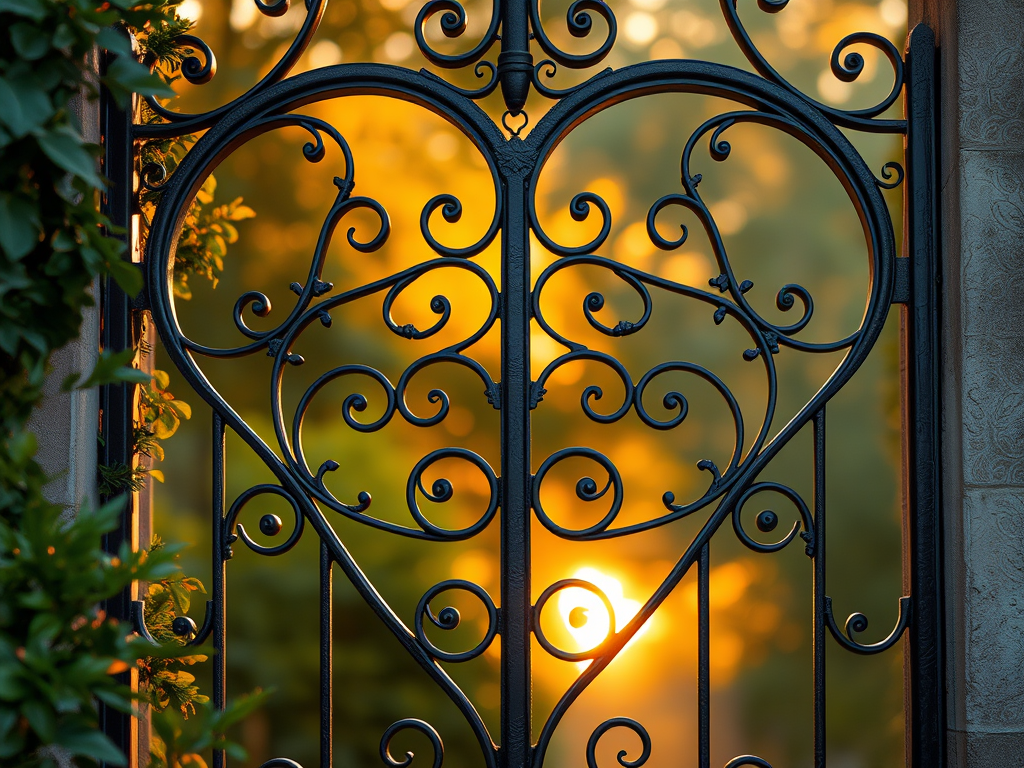
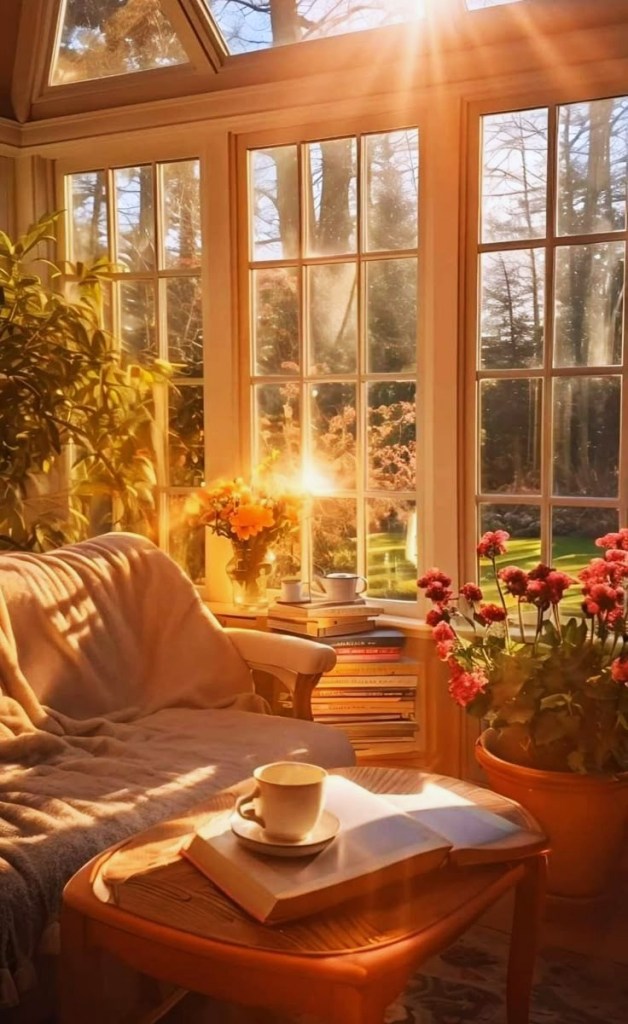
I found an image of a room with slants of light that I thought would be perfect for our cover. However, Eileen Denny Alexander, a graphic designer and the sister of Marilyn Gilpin—one of the four members of our organizing committee—advised us that the image’s quality was insufficient. We eventually discovered another AI image we preferred of a gate, which we conveyed to Word2Kindle to help design our cover.

The numerous stories and poems included in the book have been read and reread by both myself and organizing committee member Karen S. Mittelman. Our developmental edits saved the group over $600, and proofreading by Marilyn saved us over $300. This was significant, especially since we were working with a budget of about $1,300. Flo Shore, who has attended the Women’s Writing Circle since its inception in 2009, offered insight into improving stories and poems in our collection.

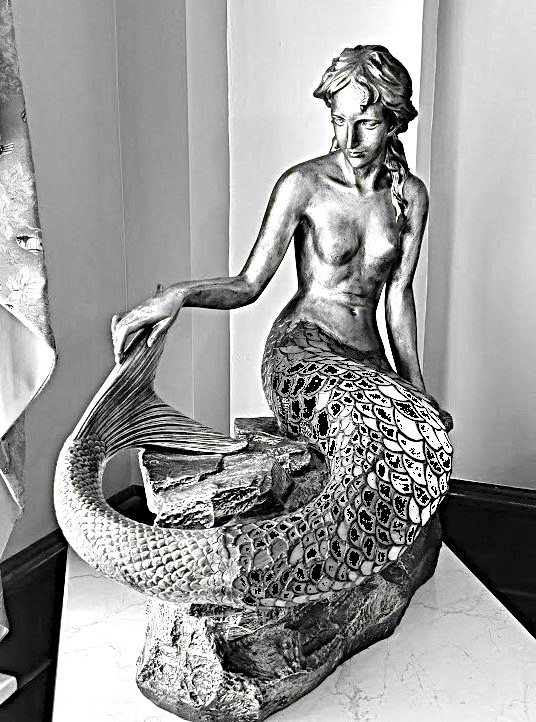
We also went about the painstaking process of finding black and white photos for the interior of the anthology that represented the stories. This mermaid photo was taken by me in the lobby of the Flanders Hotel in Ocean City, New Jersey to accompany my short story named after that hotel.

The many facets of independent publishing require thoroughness, experience in writing and editing, and great attention to detail. Yet, in the end, what could be more inspiring than a labor of love? Mental health experts consistently say that such endeavors are greatly beneficial for those wishing to remain young and vibrant.

We are thrilled to have received two wonderful endorsements for our book. One is from New York Times bestselling author Lisa Scottoline, who lives in Chester County, where we also reside. The other is from Marian Beaman, who grew up in nearby Lancaster County, Pennsylvania. Marian has a large blog following and is the author of two well-respected memoirs.

I would especially like to express our gratitude to our writers for their patience as we navigated numerous edits and rewrites. They showed a willingness to produce their best work.

Ultimately, this beautifully crafted anthology of short stories and poems pays tribute to love in its many forms and expressions. The collection of fiction and memoir includes reflections on mothers and fathers, lifelong friendships between women, and the challenges of marriage—offering readers a compelling glimpse into life and love through the eyes of a diverse group of women writers.

Our cover will be ready in the next ten days or so. Stay tuned! After that, we will review the manuscript again with a fine-tooth comb. We hope to have the book out by late spring or early summer.

My final thought on independent publishing is just how exciting it is, opening the doors to writers from all walks of life who may never have seen their work in print without it.

For those who have gone the independent publishing journey, what are your insights and experiences?

Behold the Moments: Reflections on Life’s Journey

Behold means to observe something impressive or remarkable.

Behold is a word that is often spoken or read at this time of the year. Cultivate the wonder—good and evil—happening around us.

Behold the sunshine on the daffodil and the burst of forsythia.

Behold the people who come to us in so many temperaments— “flavors” if you will.

Observe the nuances and withhold judgment. Or at least try.

Who was my mother to me? Who was I to my mother?

As spring’s rebirth begins, we behold troubled times. What can we control tomorrow? We have enough to take care of today. Isn’t that what He told us? “Therefore do not worry about tomorrow, for tomorrow will worry about itself. Each day has enough trouble of its own.” ~ Matthew 6:34

Behold. The river of life flows with interest and meaning. Imagine it in all its beauty and its ugliness, its poverty and its wealth.

You know it is time to write.

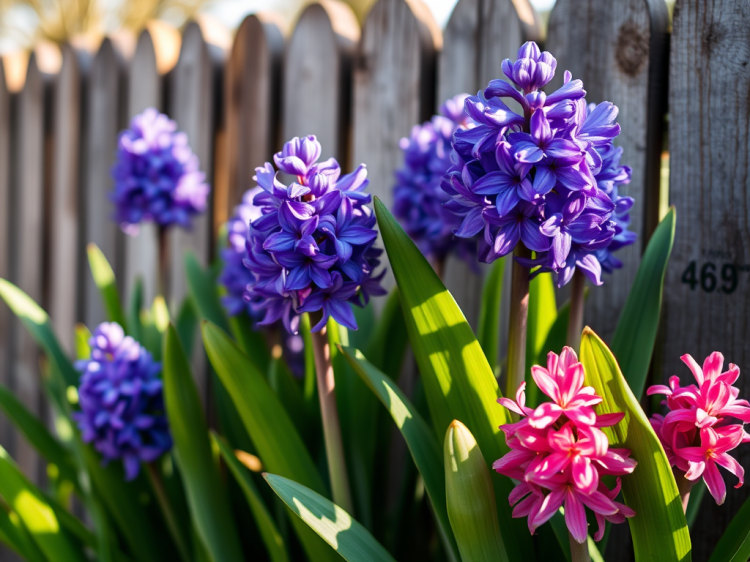
Listen for the moment the first coo of the mourning dove wakens after winter’s bone-chilling, gray-draped days. Watch for the moment the purple and pink hyacinths bloom by the fence. Remember she who planted them so long ago.

Do you? Do you write about her?

Those around us, those who came before us and are no more…those who hurt or helped us—all are a story.

Behold. There is grace to the story— a moment of mercy either for them or for us. Or maybe both of us.

Along the long and winding “river”, we learn the journey’s questions —and answers. Through the prism of time, we reflect on the memories, the life once lived, the life to live now, not tomorrow.

And so we write.

Behold the work of others and remember what they wrote. Writers need the grace of encouragement.

Focus—“behold” —dawn cascading over the hillside spilling its vivid colors of life. Embrace the expectation and the hope when beholding the river of life.

How do you behold each new day?