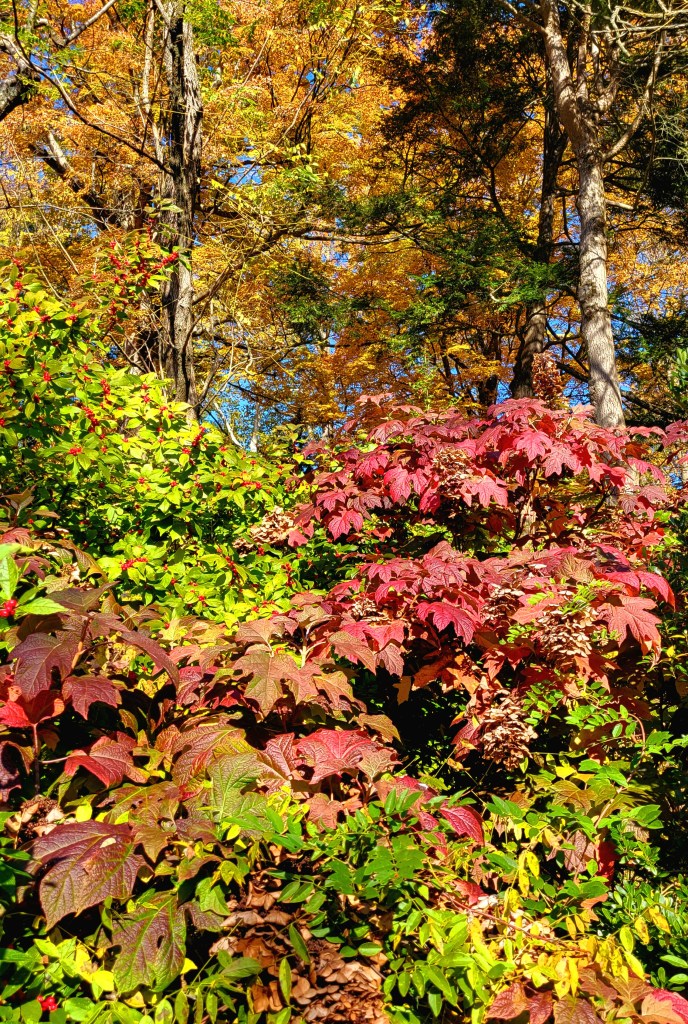
Christmas is a joyous time because it coincides here in the Northeast with colder and cloudier days that force indoor time and introspection. It’s a teaching time, learning to value what we have, as well as appreciating that all of us have so much in common. That, after all, is the human condition and the true meaning of this season.
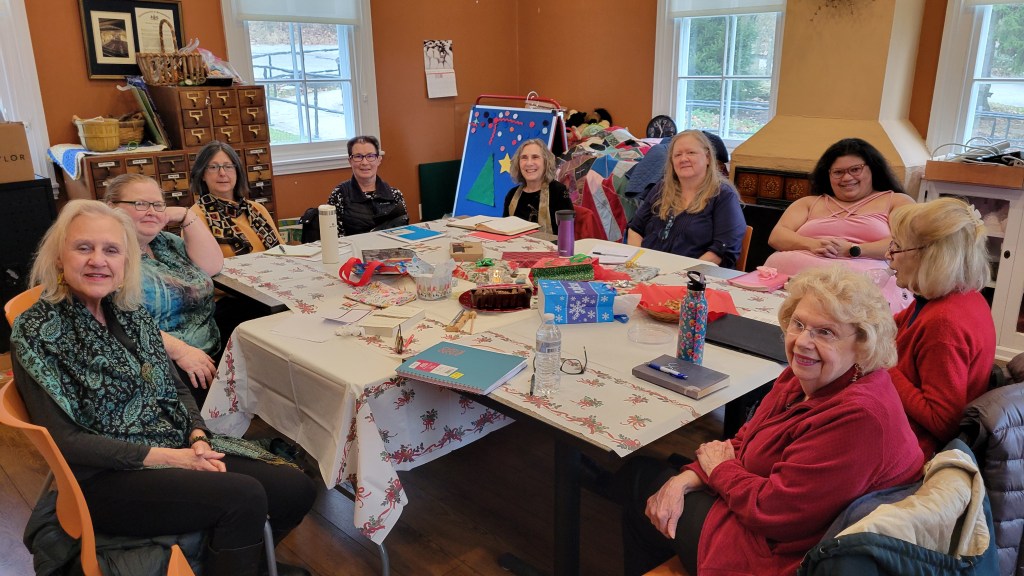
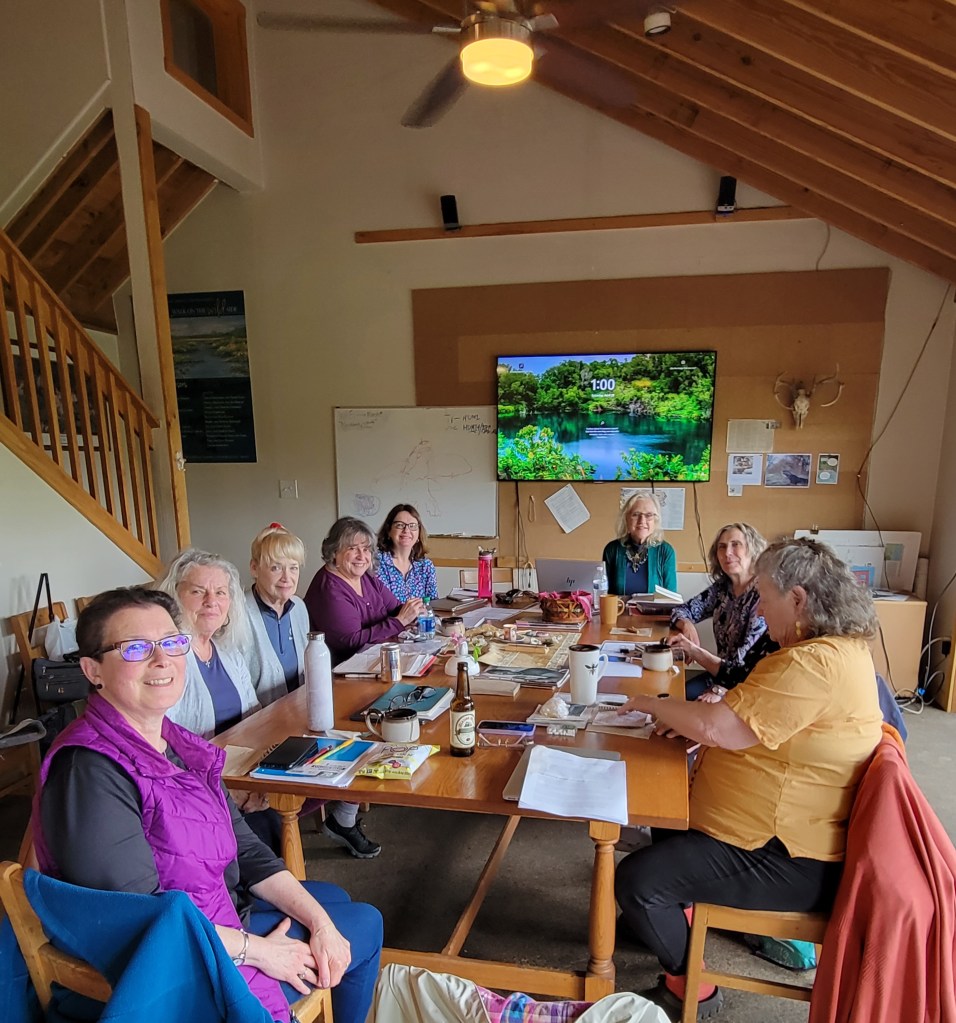
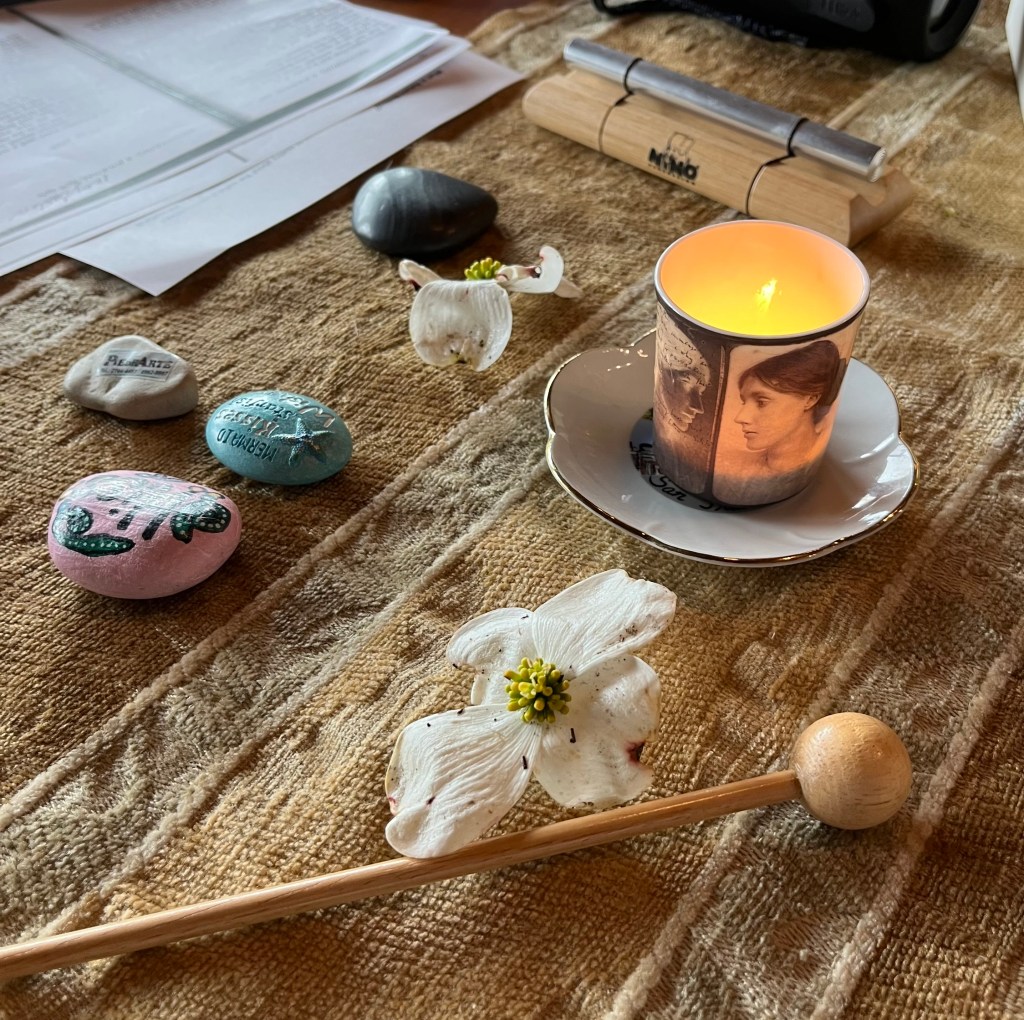
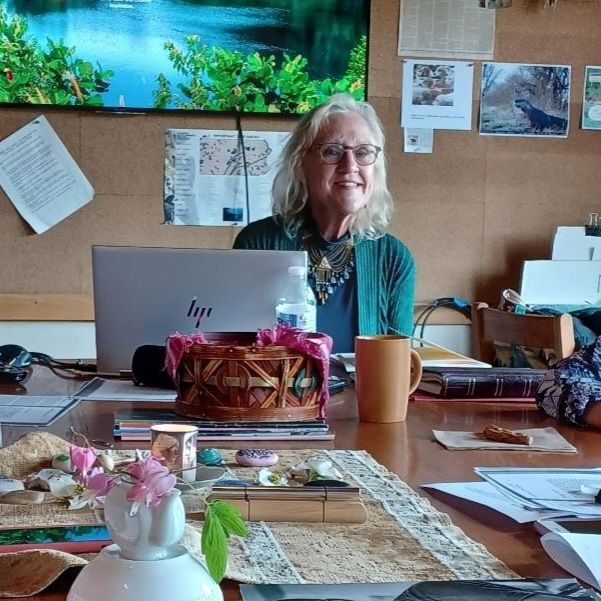
I love the holiday glitz and glamour, but where would I be without the Women’s Writing Circle? Throughout the year, as we have for the past fourteen years (yes, can you believe it, we first met in 2009?), we come together to celebrate in an amazing variety of ways, offering poignant memories and imaginative writing through poems, memoirs, and fiction.
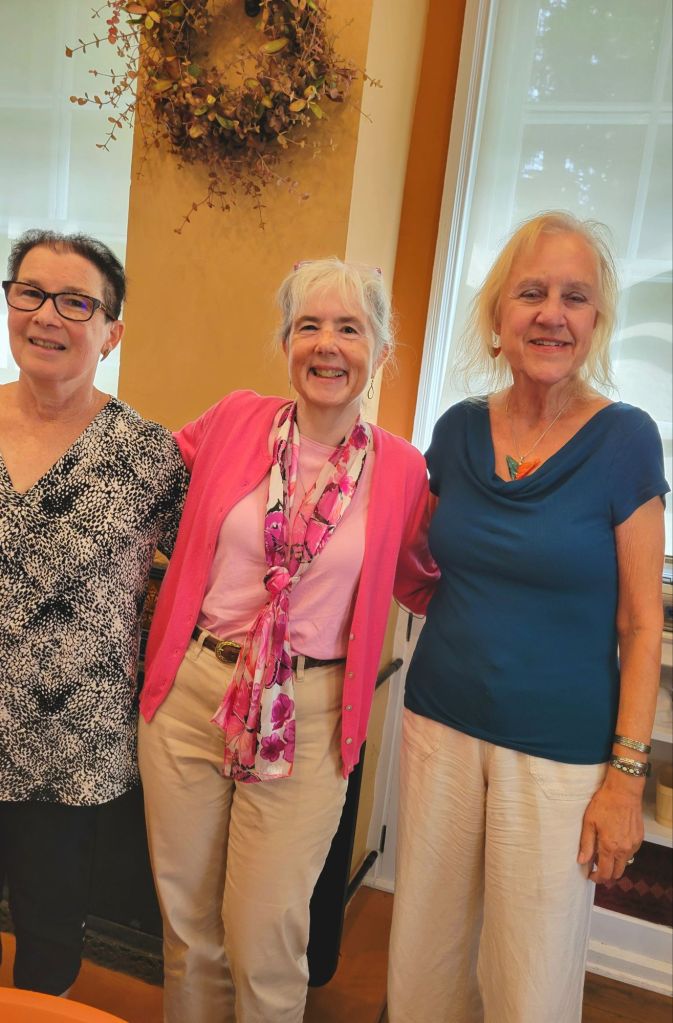
It’s a time when I especially appreciate friends since I have a small family… there are only six of us… my sons, me, and our three dogs. I miss my parents and mostly my husband, but friends buffer grief and offer good cheer. Each of my friends is a world unto herself. We are unique with differing backgrounds, experiences, and even perspectives but all the more to make our bonds richer.
Each month I end my messages to our Women’s Writing Circle with the quote from Margaret Atwood: A word after a word after a word is Power. Words frame our artistic maturity in a way that provides invaluable insight into the collective consciousness of the feminine. The Circle is a sacred container that allows that trust and journey to flourish.
It’s not just writing but baked goods, favorite books, and gifts from the heart that make for a warm and supportive atmosphere.
We cultivate the craft of writing by studying the work of other writers and sharing resources available locally and online.
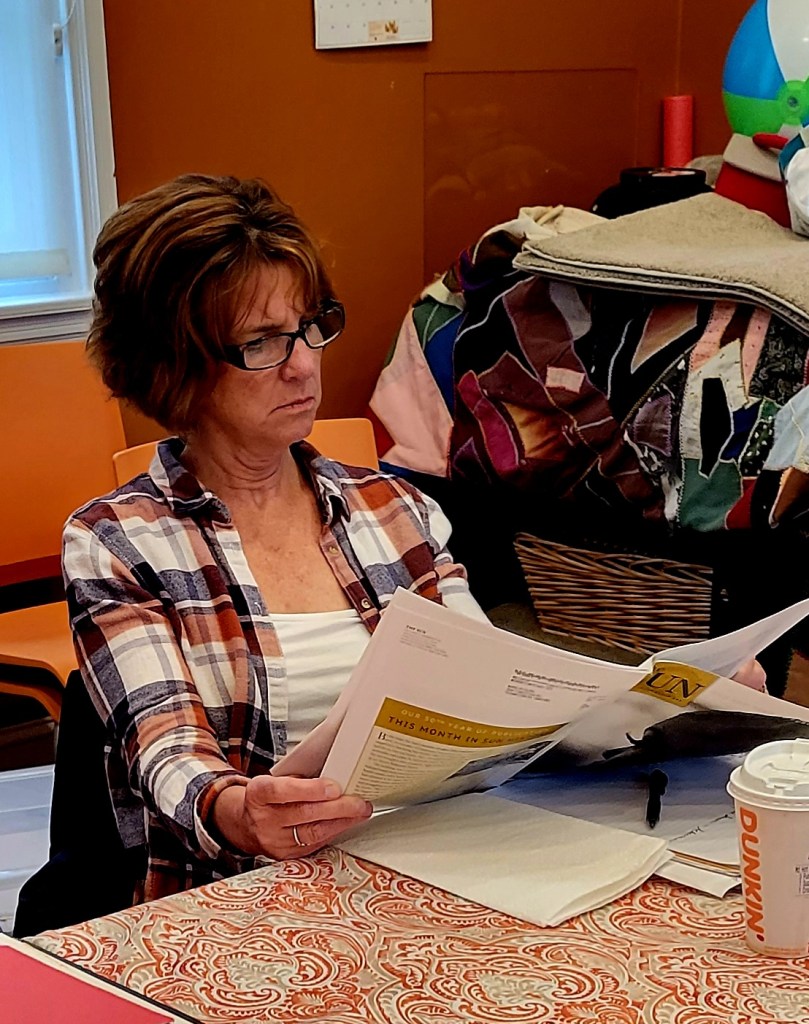
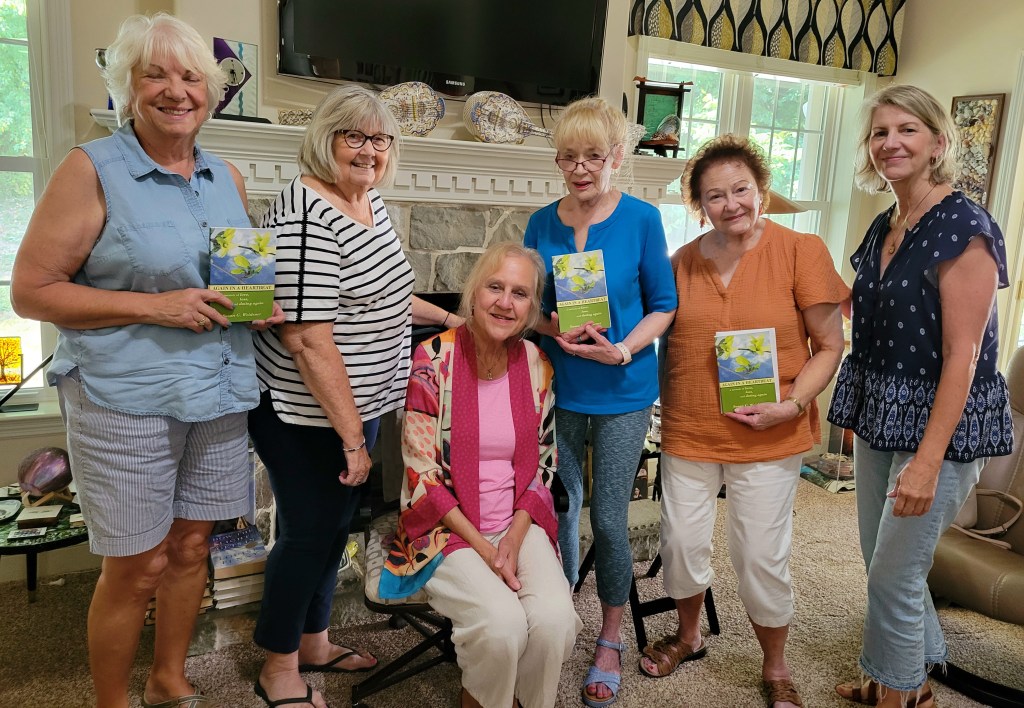
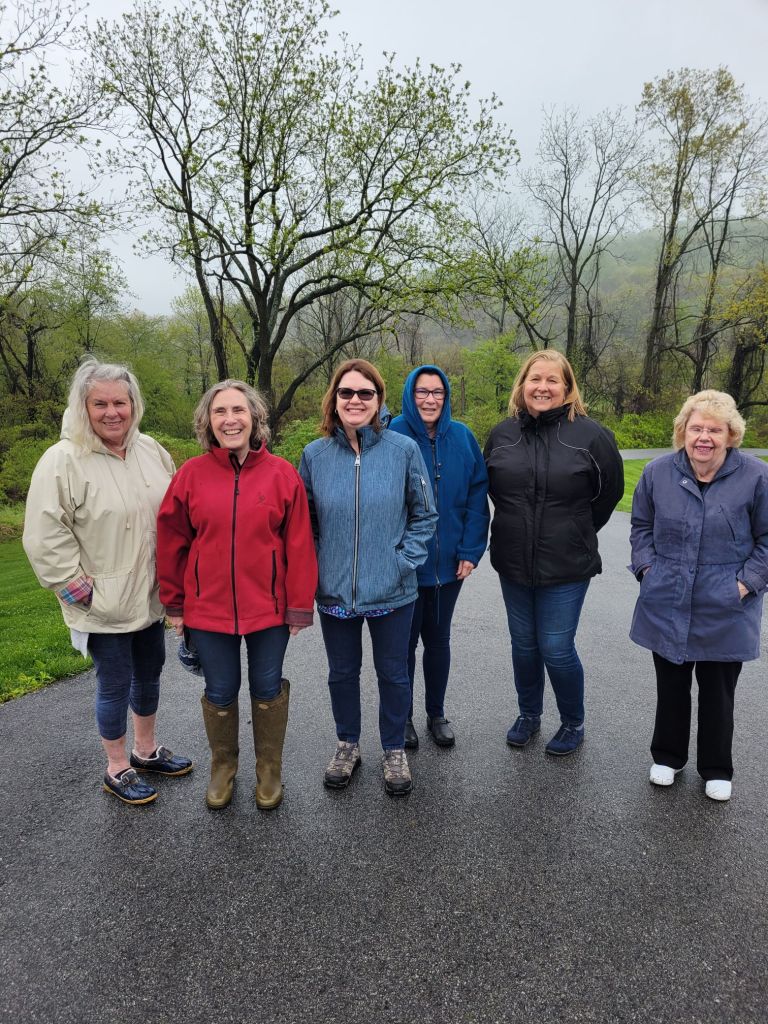
Here’s a retrospective of some of those happy times in 2023 with our Women’s Writing Circle, who offered me so much joy and creativity. A special thank you to the Chester Springs Library in Historic Yellow Springs for hosting us in their community room with views of sky and field. I hope to see you again in the new year, as well as welcome new members who desire … and dare… to dip a toe into the wonder that is writing.
Happy Holidays! May we continue to find in connection a wonderful new year.
As I look at this past year, I think of the exceptional moments. There was the writing workshop I led at the Great Marsh Institute, a retreat that offers the artist and writer solitary trails and nature walks. Together, we gathered and wrote of our moments of being, of exploring the self and the world around us. My pilgrimage to Israel during Lent meant being rebaptized in the Jordan River, where John the Baptist baptized Jesus. The birthday celebration in Portugal with my sons included standing at the southernmost tip of Europe and gazing across the Atlantic accompanied by two men who looked like their father.
The Galilee. Photo by Susan Weidener
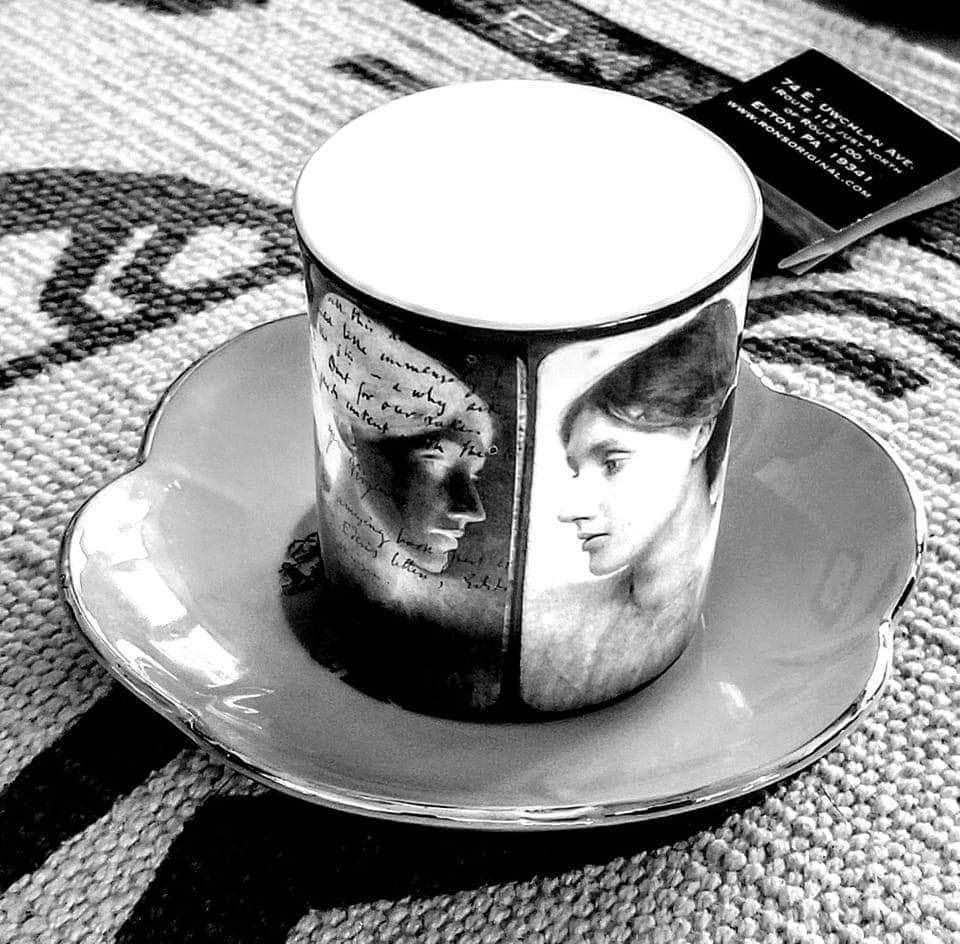
I realize, too, however, that what Virginia Woolf once said is true. Exceptional moments are not typical and can also be despair and sadness.
Amid the holidays, memories return when I think of the people no longer with me. Their pain and suffering helped me find a relationship with myself.
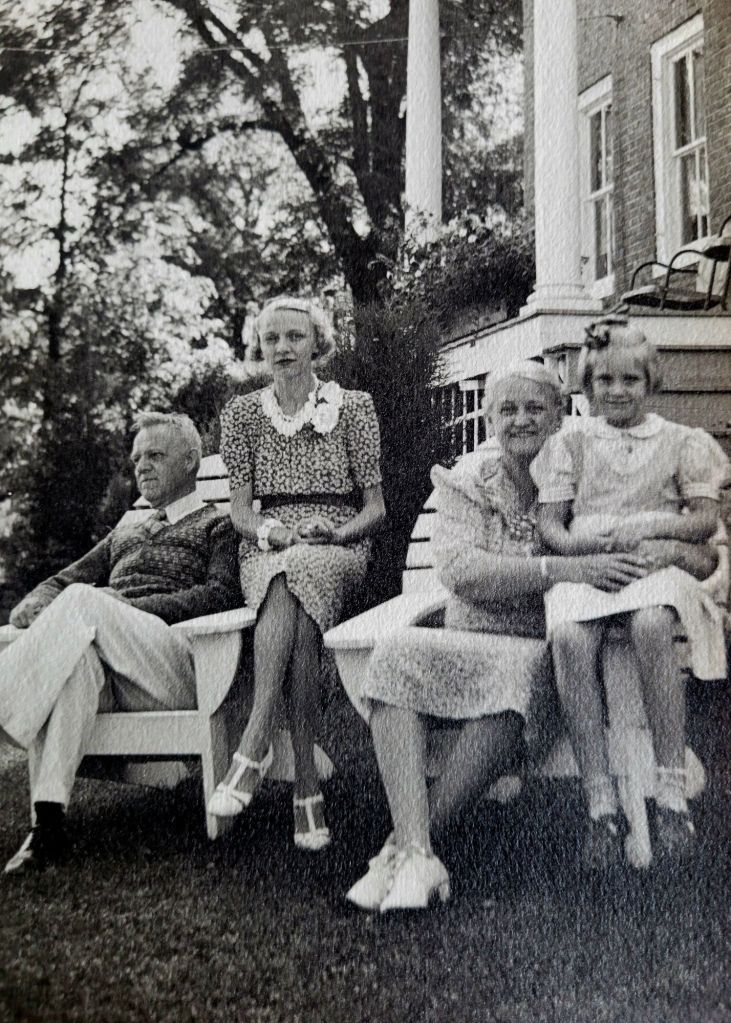
There was Aunt Edna who suffered from schizophrenia. Her tragic illness held our family captive with despair and unending responsibility; she never left the house except for the weekly grocery shopping trip, and when she came to visit my parents, her clothes smelled of mothballs. If anything, I wanted to live each day, be adventurous, and explore the world while I still could.
Aunt Edna, second from left.
I think of Andy, my older brother and my only sibling, whose strength, stamina, and charisma were stripped away by cancer. He loved his dry martini and the game of golf. He was one of the most handsome men I have ever known. Driven by ambition and the pursuit of wealth, he rarely slowed down. I want to slow down, stop, and pay attention to this beautiful place where I live and appreciate the modest life.
I think of my mother, as the abuse and terrible conditions in assisted living and nursing homes have been much in the news. She fell one night in her sad little room, alone, discovered in the morning to have suffered a stroke. I remain determined to stay in my home for as long as possible.
Photo by Susan Weidener
Recently, I attended an Advent mini-retreat based on the reflections of Kate Bowler, a Canadian author and professor of divinity, and a survivor of colon cancer living with chronic pain. We spoke of what is known as “toxic positivity,” which is the idea that one must be grateful for the life they do have, no matter what, and always put on a brave face. Yet, you can not deny the complexity of life or the reality of death, and negative feelings are not a failure but a normal part of the human condition—nor is gratitude always a solution to pain.
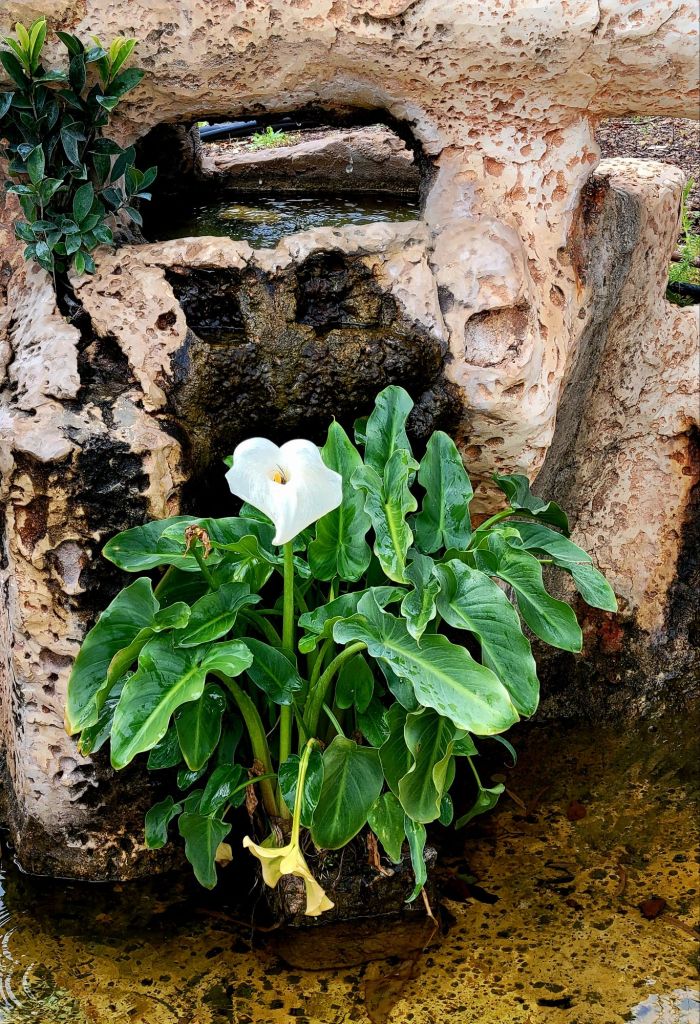
Bowler’s podcasts featured Richard Rohr, the Franciscan priest living in New Mexico, and his reflections on “the good life.” If you are unable, or unwilling, to appreciate the beauty of a single flower or a dog who waits patiently for your return and loves you unconditionally, Rohr said, then you forget what makes for a good life. His philosophy is almost childlike in its simplicity: “If we can let go” of the many impossible and soul-draining expectations, pay attention, and be happy in the moment, then our suffering and pain are released. Remember, too, he said, that a word of kindness, where you “recognize” another person, offers them and you meaning … I am seen … and makes for a good moment, a good day. After all, you may never see them again. Everything has dimension, even when it’s not about you.
Photo by Susan Weidener.
My Scripture during the mini-retreat was this: John 3:30: “Jesus must increase, but I must decrease.”
Virginia Woolf knew that a catalyst for great art was suffering and uncertainty. Travel, family, and friends remain gifts to be cherished, but the entire range of human emotions and experiences can be exceptional, too. Joy and despair… I’ll write about all those moments. In the end, even my imagination would not have conjured what might and did happen and is still to come. How exceptional is that?
It’s December. There’s a mystery to the season. As Mary Oliver writes in her poem, “Mysteries, Yes”: “Truly, we live with mysteries too marvelous to be understood.”
Photo by Susan Weidener
My kitchen window faces south and by mid-afternoon, the room is infused with gold light. A fading maroon chrysanthemum potted in gray alabaster on the outdoor deck and trees stark against a vividly blue sky is an inspiring tableau. I’m unsure what I will write, but somehow it always returns to him. Last night I had another dream. The dreams are often so similar that I wonder if when I wake in the morning he hasn’t come back, not to haunt me but to let me know that, sorry, death is not a place you can follow me. He remains shrouded in the shadows or a darkened room in the dreams. The dreams make me feel as if in some way he is angry with me, or he doesn’t want me to think that he ever loved me, or that he is a stranger to me now.
I suppose a Jungian therapist would interpret this as that in some way my subconscious is to blame. After all, there was a time when I wanted to flee out beyond the moonlight and never return to the disease, to this house, to the miasma of death and decaying dreams.
The next morning he’s gone and I’m alone. Something awaits, something just for me. As Mary Oliver writes: … “People come from delight or the scars of damage, to the comfort of a poem.”
The writing, the opening of the laptop on the kitchen table, letting the words take shape even though I’m not sure where they’re taking me, therein lies mystery and comfort. Last week, I met two long-time writing friends when we read this Oliver poem together. One friend I hadn’t seen in almost seven years. Imagine that! Yet, writing forged a bond—if just for one afternoon—that brought us together in the “comfort of a poem”, the memoir moment of a life transition that takes shapes from something as simple as a writing prompt, the belief that there is no shame in anything we write that is true, and that nonjudgemental freedom lifts our spirits.
The memory returns to another house, a childhood bedroom where I read poetry and wrote stories. A brown secretary desk with brass knobs from my grandmother’s house in Germantown with nooks and crannies for pens, little spiral notebooks, and a tiny vase with silk flowers graced my room and offered its own magic and the blank page invited wonderment and possibility. I wrote love stories at that desk. He came to her then in a dream, two souls forever entwined out of the serendipity of mystery.
“How two hands touch and the bonds will never be broken.”
Photo by Susan Weidener
I know he will come again in the darkness and I will feel rejected, even abandoned, yet I also know I will wake to a morning light to remember that once he loved me. It wasn’t a dream. It was real. It was my life. His and mine. And for that, Mary Oliver was right: “Truly, we live with mysteries too marvelous to be understood.”
One of the things I most love about a writing group is the inspiration to keep writing. Whether it’s inspiration or incentive, the idea that you’re about to meet with a group of writers is energizing. Sometimes, I can go days without writing or wanting to write. When I know that my writing group date is getting closer, I’ll make sure I have something to offer. This might be in response to a writing prompt, or just the desire to contribute to the creative mood of a group. Each of us can offer something as a way of thanking the other for coming to the group.
In the Women’s Writing Circle, I offered a prompt for November that inspired me to write a memory I had long forgotten. In this way, I found something new to remember about love and loss. A bittersweet memory evokes feelings and writing crystallizes those feelings. As I wrote last week, vulnerability in writing is great courage and great writing. The prompt was this: Someone once wrote: “I left him in the middle of a melody…” Write of a time when a song brings back a memory.
As this is autumn in Pennsylvania, the song “Autumn Leaves” came to mind for several reasons. So, I wrote this.
At an upright, cherry piano set against the wall with framed photographs of her parents in wedding regalia, she first started learning to play melodies and hoped to get better with time. There was “Ebb Tide” and “The Shadow of Your Smile” from the movie TheSandpipers, tunes easily mastered because they didn’t require different tempos from two different hands, something she could never manage, whether through lack of coordination or simply little to no musical talent. The song, though, that she loved and could play perfectly well was “Autumn Leaves”, a haunting melody that often inspired her to sit down at the piano due to her love of fall and the red and gold maple trees outside her parents’ living room window.
Even years later, when she was a senior in high school and knew she would soon be off to college, she played that song, letting her thoughts flow to the melancholy beauty of love and loss, those summer kisses and sun-burnt hands the lover used to hold. After college, when she landed her first reporting job, she met him and played it for him. When they married, he took her to John Wanamaker on Market Street in Philadelphia to buy her own upright, cherry wood piano. In those days, they sold pianos on the fifth floor of that gigantic department store, something that now seems as outdated as her past and the autumn days of her youth.
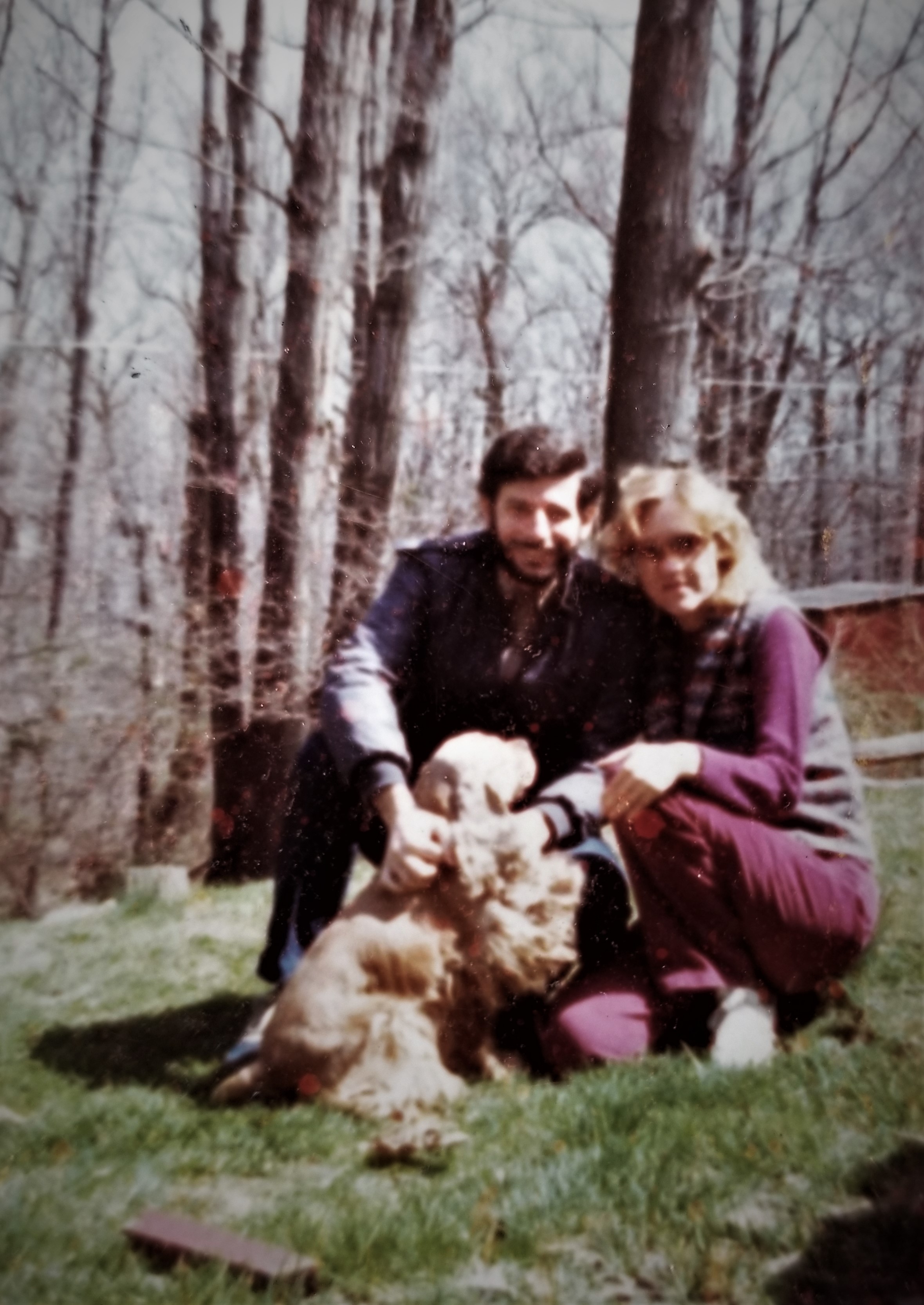
They had sixteen autumns together, but on the seventeenth, he died in October leaving her alone with their two young sons. In her grief and loneliness, she played “Autumn Leaves”, remembering that night when they had bought the piano, him wearing a camel-colored overcoat with a matching scarf, jeans, and brown boots. He had a mustache and it tickled when they kissed, but she liked it anyway, really there was nothing about him she didn’t like because as corny as it sounded, he had brought her dreams to life…having a wonderful man by her side on autumn days when leaves fell like crepe paper snow to the sidewalks and they walked their blond cocker spaniel, another gift from him.
The piano languished until her younger son said he wanted to learn, but he soon found practicing scales tiresome, or maybe it was the curly-permed teacher with acne who failed to inspire, although her son had more likely inherited her lack of musical talent and knew it was useless to keep at something when you’re so mediocre at it.
For her, who was there to play for? Herself? So, one day, when autumn leaves fell outside her own living room window, a truck pulled into the driveway. She stroked the keys one last time. Two men carefully rolled the piano out the front door to the truck and its new home, which was apparently a church fellowship hall. Strangely enough, or maybe not so, she never played the piano again after that. Now when she hears “Autumn Leaves”, it is a sweet reminder of those glorious years with him, the autumn days of old when she was so young and filled with love.
Since you went away the days grow long And soon I’ll hear old winter’s song But I miss you most of all my darling When autumn leaves start to fall
Photo by Susan Weidener
How about you? Does meeting with other writers encourage you to keep at your craft?
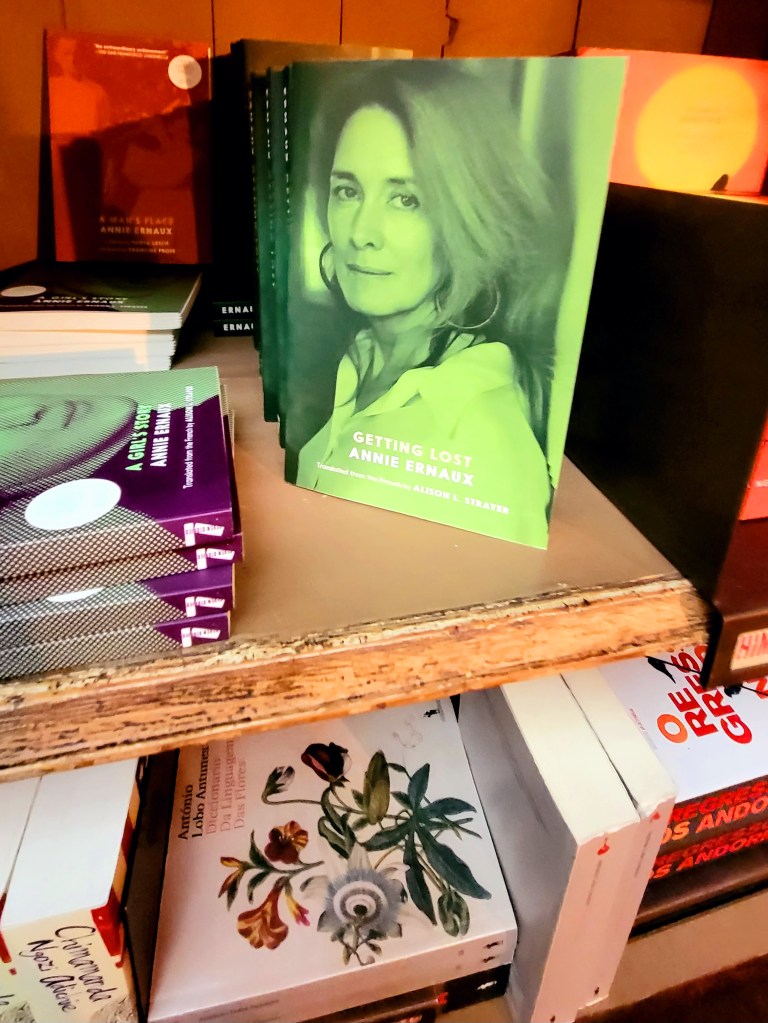
In Portugal, I visited the famous Livraria Lello, a world-renowned bookstore, and wrote about it here. A book that caught my eye was Getting Lost by the French author Annie Ernaux. I had never heard of her or that last year she won the 2022 Nobel Prize in Literature. Still, as I flipped the pages, I was instantly captivated by her description of a man leaning up against the wall, a little drunk, a man who while she understood his dark side, she remained obsessed with. My feeling was I’d known this man, too.
When I returned home, I checked Getting Lost out of the library. Getting Lost is Ernaux’s memoir written in journal form about the year-and-a-half affair she had with a married man, a Russian diplomat with whom she was obsessed.
Photo by Susan Weidener
Page after page, chronicled by the days and weeks of her life, Ernaux waits for his visits, at all or any hours of the day or night. When he calls, her life becomes alive again fueled by erotic obsession. Filled with self-loathing at her dependence on him, and her passion for him, her journal becomes her companion, her therapist. As her misery and anxiety fill page after page, I find myself losing patience with her. Why was a forty-eight-year-old mother of two grown sons so dependent on a man? After all, she was a famous and well-respected writer in literary circles. Wasn’t her writing enough?
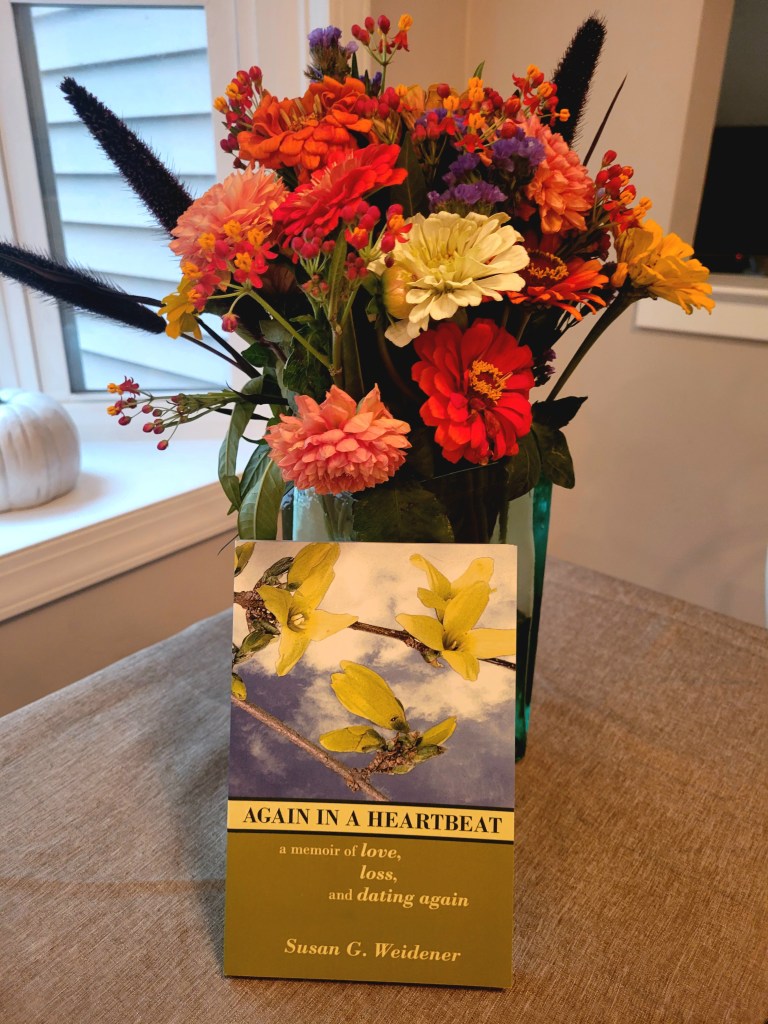
Yet hadn’t I been the same way when I was forty-eight, obsessed with a man after my husband died and had an affair that sparked me to write about it in my memoir Again in a Heartbeat? Who was I to judge her?
It is this vulnerability that we offer as memoirists that is our act of love for our readers. Like Ernaux who was ridiculed for writing exhaustively of her dependence on this man—waiting in vain for phone calls that never came—I, too, had been treated with disgust by some of my readers for opening up about how I felt I could have been a better wife at the end of my husband’s life and so raced to find an immediate replacement for him. It was that sense of shame, as well as my desperation not to be alone that drove me to a man who turned out in the end to be much like Ernaux’s lover. Narcissistic, yet strangely fascinating, he struck a chord in me to such an extent that he was often all I could think about…not my work as a reporter at a daily newspaper, but him.
Just what is obsession? How is it linked to fear of abandonment? Ernaux flashes back to the death of her mother and to her abortion as a way of connecting abandonment to obsession. As we all learn, obsession is unhealthy, often evidenced in a toxic relationship that reduces a woman to a demeaning posture and the terrible description of “being a doormat.” As Ernaux waits for her lover’s calls, she knows that rejection is inevitable. He has options (he has a wife and there are younger women), and his work.
As a woman ages, she faces the terrible prospect that he may be her last lover, she writes. Who wants an old woman? He can replace me any time he likes with another woman, a younger woman, she thinks. Aging as a woman alone offers up the specter of abandonment, of solitary loneliness.
Ernaux’s obsession turns to neurosis. “I’m living in a stupor. My strongest premonition: he won’t be at the embassy tonight (because he’s left France, or is traveling —or because he doesn’t want to come, but why wouldn’t he?). Another possibility is that he’ll show indifference and not fix a meeting with me. Or: he will want to see me. But these thirteen days with no word from him leave me little hope of that. Yet right now I don’t know anything. In two and a half hours, it may all be over. My last letter will remain in my handbag. It always feels like a kind of death.”
Much has been written about the benefits of being vulnerable with our writing. Not only is it forging an intimate relationship with our readers, but it also allows for our own self-healing and self-awareness. Although it opens us to criticism and judgment, honesty and good writing go hand in hand. Artifice is quickly sorted out by the reader.
Ernaux confronts the futility of it all, the hope to salvage some shred of dignity in the end. After all, she is a writer. Writing is a survival tool that keeps death at bay. And she has the vulnerability to connect with her readers, a gift of love, but one that also takes great courage. However painful a read Getting Lost may be, it brought back this truth—writing takes courage, vulnerability, and the ability to face our own demons.
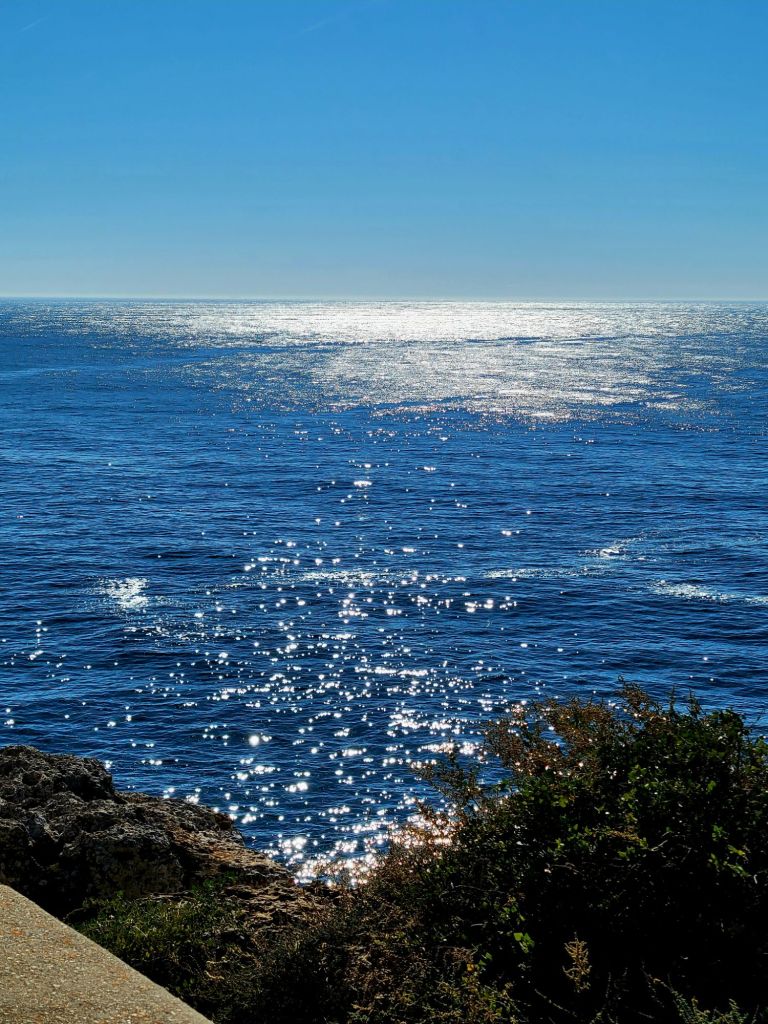
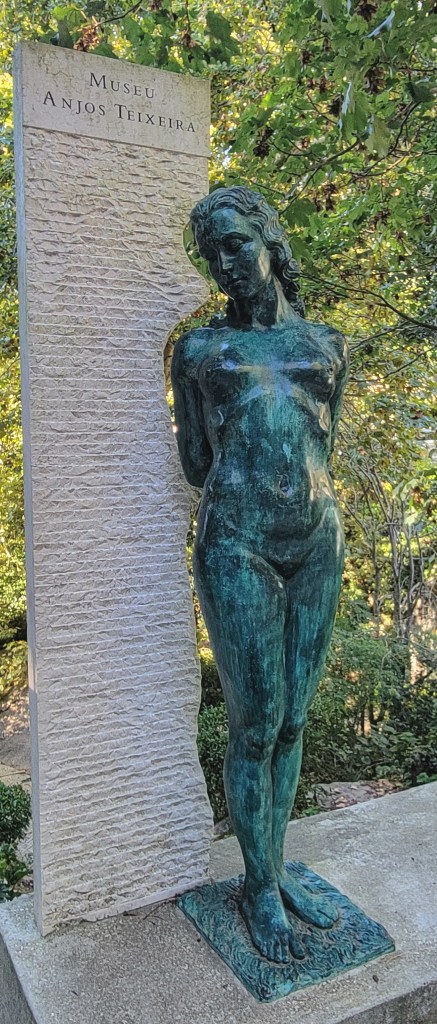
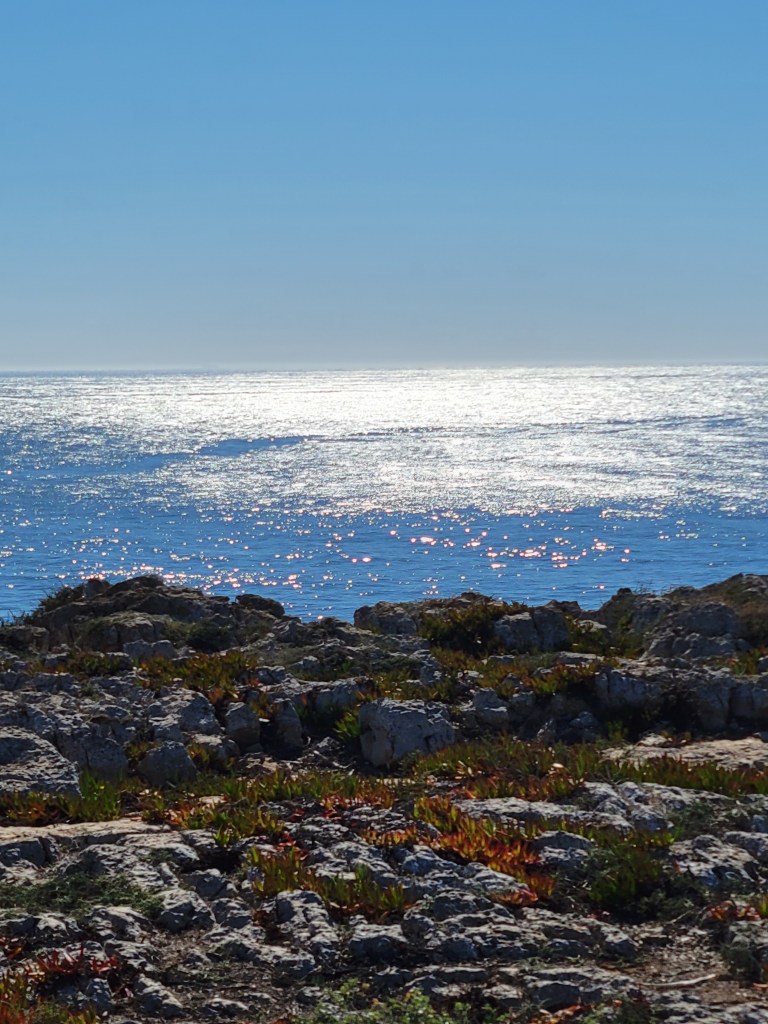
The sun casts its corridor of white light here where the Atlantic rounds the landscape on all three sides. From the orange cliffs of Sagres, Portugal, we look out toward Africa and Spain…the sailing ships once plied the waters for cargo and power, following the map of conquest. A bleached white monastery stands sentinel to the quest for conversion. The southwesternmost point of continental Europe, Sagres offers both beauty and a moment to contemplate the wreck.
Photo at Sagres by Susan Weidener
Above the sea, the sky drapes its flawless blue mantle of time immemorial, beyond the reach of memory and with unperturbed grace. The corridor of light shines and beckons, but where does it lead? Perhaps, no probably, writing offers the clue, the map to reflection and contemplation.
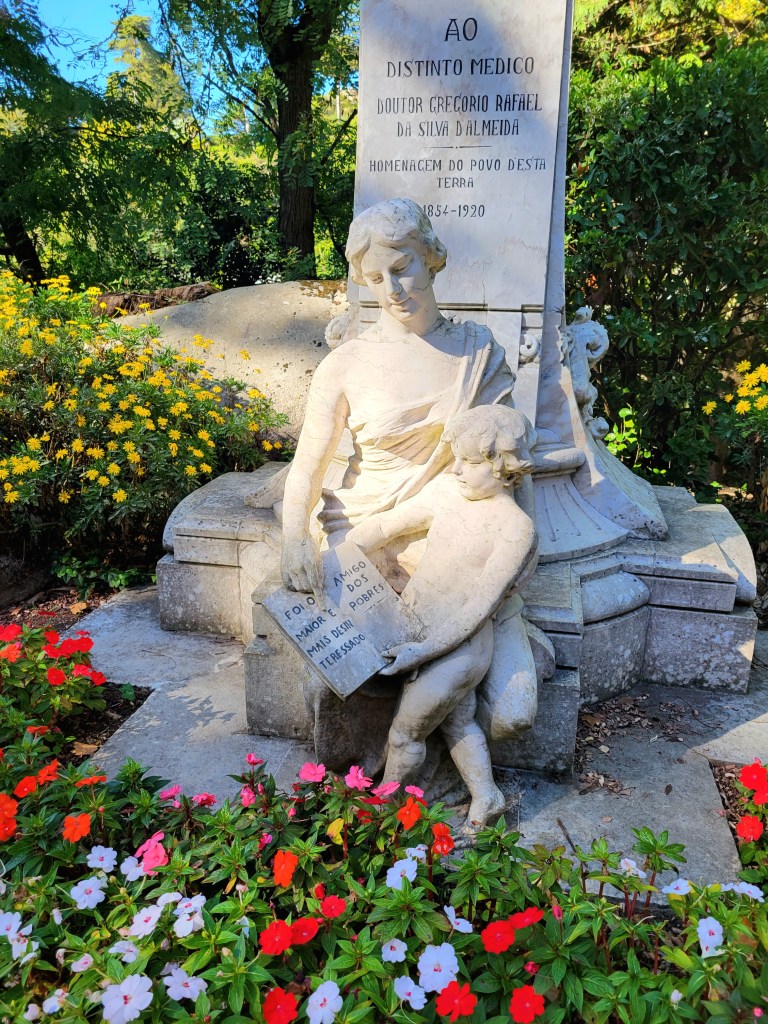
Photo by Susan Weidener
After Sagres, we travel to Porto and the famous bookstore, Livraria Lello. There’s a line to get in and an admission of ten euros. Who says people aren’t reading books anymore? With its stained-glass windows, ornate wooden balustrades, steep steps, and darkened nooks and crannies, the bookstore supposedly inspired J. K. Rowling when she lived in Porto. Shelves are stocked with the stories of the woman scorned. She’s been bullied and mistreated, yet she still returns to him. Why? Perhaps, as some say, it was her fragile mental state, the near-fatal flaw that led her to her death. I am reminded of Adrienne Rich and her famous poem, “Diving into the Wreck”, which was about women diving deep to find equal rights.
The stories of revenge are here too … my son picks up a copy of his favorite book The Count of Monte Cristo. There are the stories of Israel and Palestine, of the potency of revenge. The story of Ukraine, and the impoverished of war who suffer with nowhere to go…the waste the destitution, the wreck of life.
The wreck shines as a brilliant and unyielding diamond in all languages throughout the pages of time.
I remember as a child lying awake at night, reading about the ships, the cargo, the sea, and the woman throwing herself under the train.
When I return home from Portugal and attend our Women’s Writing Circle, I am reminded of my father, and although I haven’t written about him in quite some time, I share who he was. He would have loved Sagres, the old bleached white mission atop the sea-salted weathered rocks looking out on the Atlantic. A scholar, my father taught me to think for myself and offered up an entire library in our first-floor den. I could browse the titles. It was mine for the taking from Frost to Dorothy Parker, from Hemingway to Shakespeare. Just read. He wasn’t a writer, but a teacher. He taught me to think for myself, not by telling me what to do, but by showing me the way through that burnished library with its sweet smell of pipe smoke. Empowerment is an overused word, but it was his gift to me.
Photo by Susan Weidener
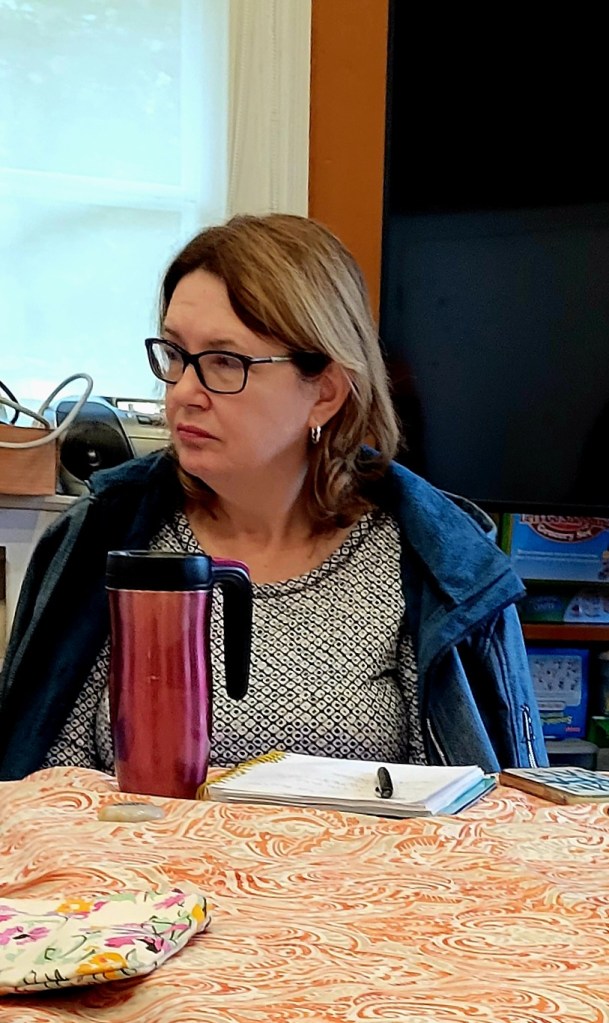
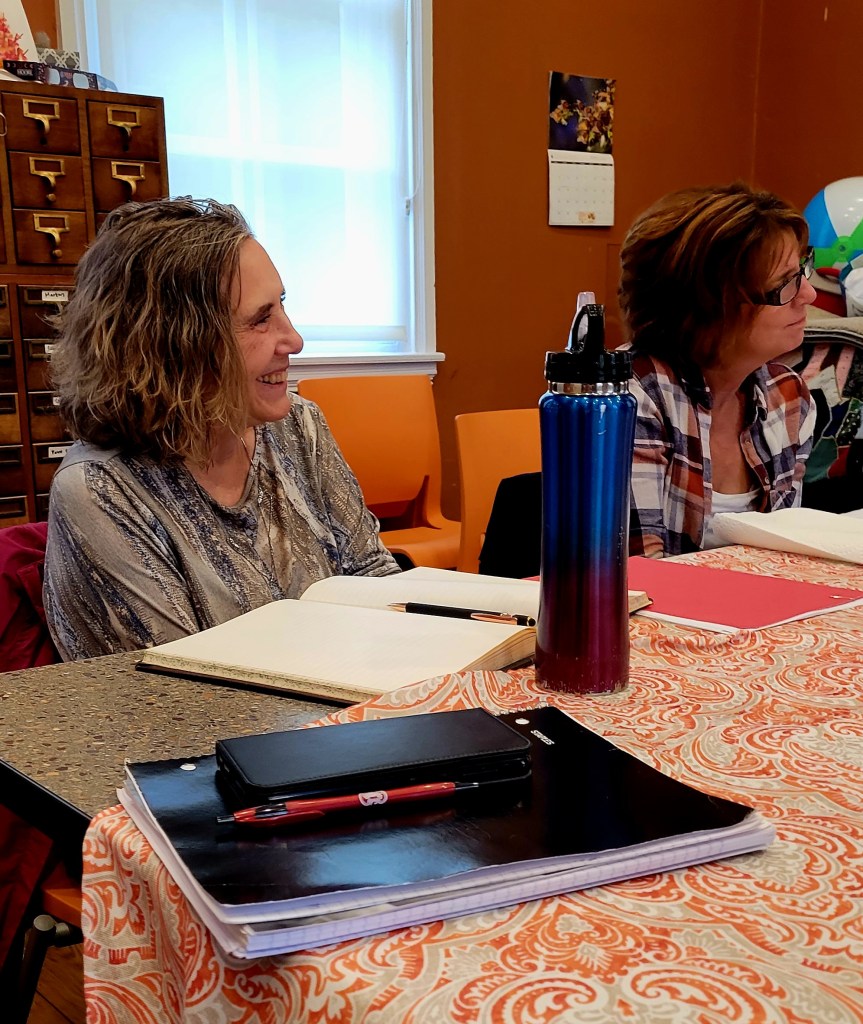
We are all older women now, women who have been around the proverbial block more than once, and whose writing lifts the spirits of the others. We write of parents who disappoint, of a friend whose dementia lay hidden until a daughter reveals it. We write of the aroma of mint and chocolate chip cookies and a tattered recipe in the faded hand of a beloved mother. We write of a man who betrayed with a false declaration of love. We write of the fleeting and the focus on gratitude and a healthy walk through the woods.
They say to write what you know. What do I know? That was our writing prompt this month in the Circle. I do know. I don’t know.
Photo by Susan Weidener
I do know the sea is imponderable, the sky unreadable. I don’t know the meaning or the purpose of what came before or comes after, but travel offers a clue. I do know the days are mine to explore and to keep learning. I don’t know where the journey leads. I do know people. I don’t know all the people. I do understand revenge. I don’t understand revenge. I know to keep writing. I know writing is the map.
The definition of complacency is smug satisfaction with the status quo. That’s not me. Or is it? Yes, I have been fortunate enough to travel the world, but should I stop now and sit on the couch, bury in with a good book, and enjoy leisure? I have friends who never want to deal with an airport again and remain content to stay home because they are self-aware enough to know that travel upsets their routines and messes with their physical health … or they have partners who don’t want to travel, and they prefer not to travel alone. That’s never bothered me, the traveling alone part, although it’s nice to be with people you love, whether friends or family, and I’ve been to six continents and learned a lot. But the staying home part seems more alluring the older I get.
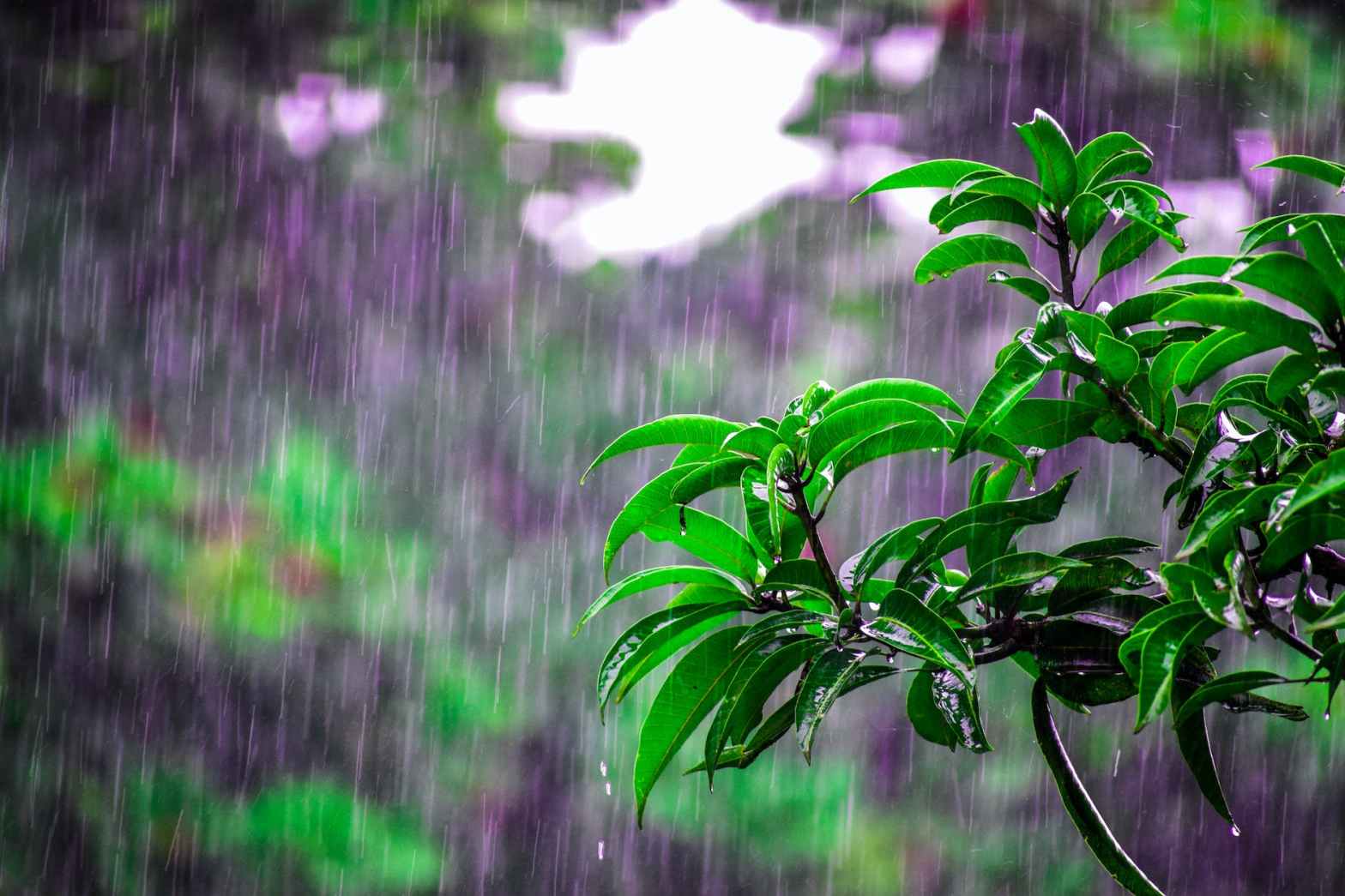
I just enjoyed a long, rainy weekend. As the subtropical downpour drenched my lawn and lakes of muddy water washed away all the newly planted grass seeds, I had time to reflect on my upcoming trip to Portugal. Although I am traveling with my sons, and they take care of everything from hoisting my carry-on into the overhead bin to driving our rental car, I still feel a bit anxious. What if I get sick as I did on my last international trip to Israel in late March when I contracted COVID-19? Can I get any sleep on the plane (it’s an overnight flight)? If not, can I handle the next day in Lisbon without sleep until we can check into our hotel rooms after dinner? Maybe a little fado and vino to ease the transition?
What happened to that twenty-one-year-old girl who flew to London and spent the next three weeks traveling alone with her BritRail Pass through England? Right, that was fifty years ago.
The important thing is to stay determined. After all, aging is gold for the writer. It offers the gift of time to travel. When I worked as a reporter and had two sons to raise, I never had the time or the funds to travel.
With freedom comes the responsibility to keep exploring. As a writer, I realize the importance of mixing it up. Since I’m not about to dye my hair purple or paint my nails black, I take risks to escape my complacency. A faithful companion on my travels is a little spiral-bound notebook where I jot down my thoughts.
Photo by Susan Weidener
A couple of day or overnight trips and easy drives also pave the way for adventure. On the last solo trip, I plugged in the GPS, tuned into Sirius XM, and was on my way. The fact that I left my credit card behind in the bar and grille that night and didn’t discover it missing until morning was a minor hiccup. I phoned the restaurant in a bit of a panic, and they had it. On another recent trip, I walked and walked until my right shoulder ached so bad from my sling handbag that even coughing was excruciating. Nothing that an Advil and an IPA couldn’t cure.
Complacency is somewhat overrated. Or as Bob Dylan once said: “My bootheels must be wandering.” It all boils down to one word. Writing. Writing requires and demands, it nurtures and fosters motivation. I’ll keep that in mind when I board that plane tomorrow notebook in my backpack. Those wandering bootheels find fertile and creative paths. Hello, Portugal, here I come.
Listening to NPR this week about women lacking self-compassion, I was reminded again why I wrote my memoir Again in a Heartbeat. The memoir, a novice’s attempt at this complicated and compelling genre, was a path to atonement for not being a better wife to my late husband, John, at the end of his seven-year battle with terminal cancer. When a book club hosted me last week after selecting Again in a Heartbeat as their monthly read, I repeated, as I have many times over the years, that writing the book helped me forgive myself.
Photo by Susan Weidener
One woman commented that after reading the book she didn’t like me and “I struggled with that and wanted to shake you for not being nicer to him.” That led to sharing how loss affects us. It’s okay to be human. Not all of us perform perfectly or even close to it in trying times, especially when watching someone you love die. Although I wrote the book in 2010, the fact that it still resonates all these years later brings joyfulness that John’s memory lives on.
Why are women so hard on themselves? Why do we often feel compassion for everyone but ourselves? Why do we nurture others, but not ourselves? How does the inner critic come into play here? The inner critic is only so good when, instead of beating yourself up with criticism, you can use it to learn more about yourself and, hopefully, avoid similar missteps in the future.
One of the things I love about this topic of self-compassion is when women realize that men are easier on themselves than women. Men tend to compartmentalize events and then move on, whereas, for women, one memory—often one that is negative—stays with us while all the good things we did for that person slip away. I remember so vividly that day in the kitchen, me yelling at John, “I wish I’d never met you!” rather than focusing on the fact that I gave him two beautiful sons and remained faithful to the end. I think, too, I brought beauty and romance to our lives and became, as he once said, “My dream come true” meaning having a wife and family.
Today would have been John’s 76th birthday. He’s been gone twenty-nine years but still, that one memory can replay in my mind when I least expect it. It serves as a touchstone to my shattered dreams and my naive expectation that I could control everything and enjoy a long and happy marriage. With this hope gone, I lashed out. I spent years feeling ashamed of that moment.
Writing as a way of healing has been close to my heart and I’ve written a lot about it including how writing is not only a great healer but a great companion and teacher. At the book club, we discussed that a creative life offers mindfulness and the inspiration to imagine a better world and life for ourselves and others. Writing helps you pay attention to detail, slow down, take that deep breath, and ask the quintessential question: Who am I? It helped me forgive myself, nurture myself, and be proud that I could love as deeply as I did.
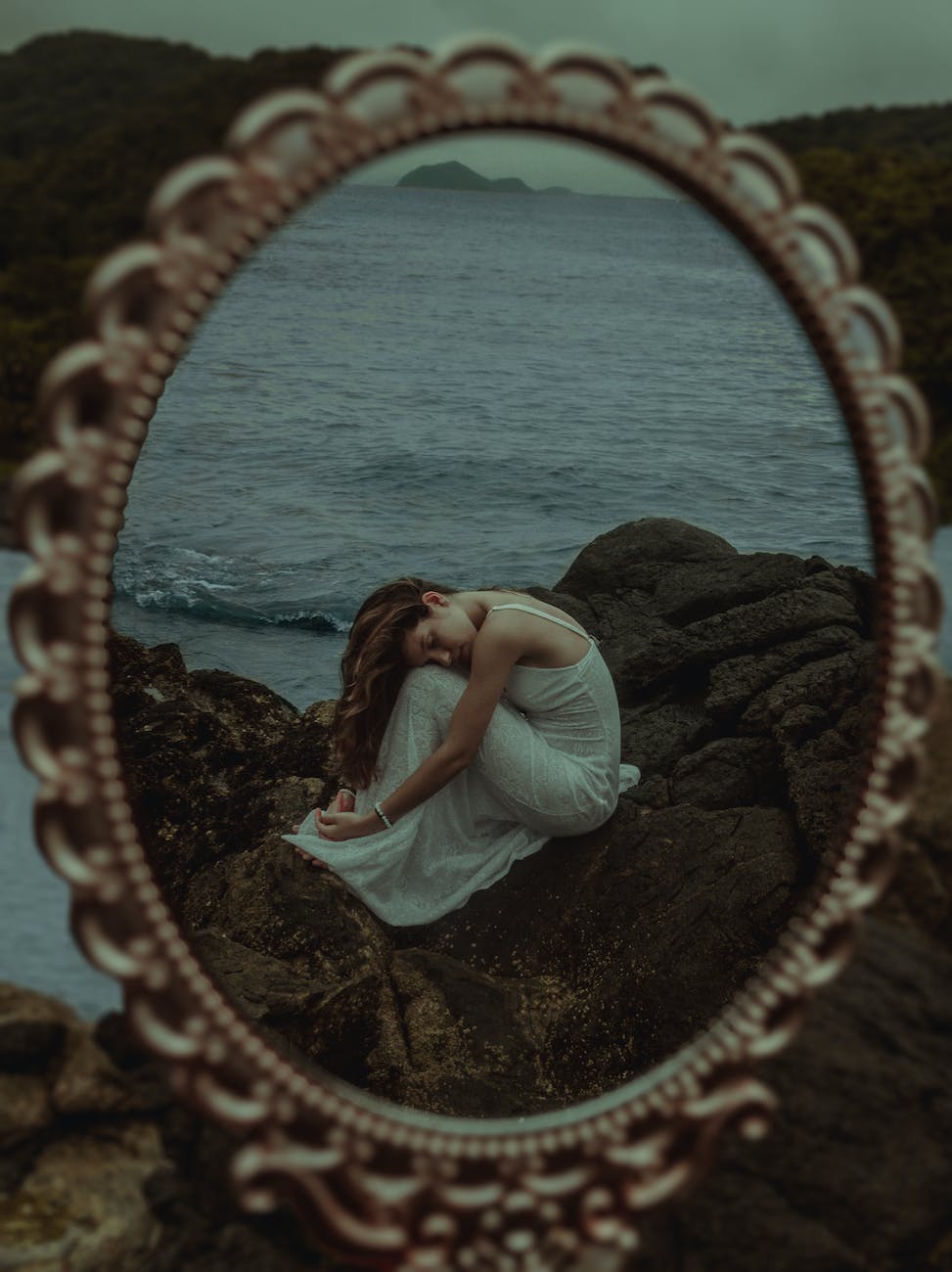
As Louise DeSalvo writes in Writing as a Way of Healing when Virginia Woolf wrote her memories, she “soon began exploring some difficult feelings—what she called her looking-glass shame and seeing her reflection made her feel worthless.” Woolf traced this back to when as a child she was afraid or ashamed at seeing her body in the mirror. Eventually, she tied this to the memory of how when she was six or seven she was sexually assaulted by her brother.
The healing narratives we write offer a chance to better understand ourselves and what came before as a blueprint for moving forward. We are forging a more self-compassionate relationship with ourselves … moving on and triumphing over adversity. Writing is a mirror. It reflects trust and acknowledgment of difficult circumstances and that we are not alone.
When summer draws to her end, I visit upstate New York. Cornfields stretch as far as the horizon. Sunflowers gaze toward the sky. It’s a road trip with a friend who also wants a change of pace and scenery. We make the drive from Philadelphia to the Finger Lakes. As much as the beauty of the area, the friendliness of its people, their unpretentiousness, and their thank you for visiting, strikes me as something I had nearly forgotten—hospitality and people who appreciate your business.
The young man at the hotel desk smiles and tells us to come back. He has long curly brown hair and a beard. What are his dreams? Does he earn a decent living at this job? A young woman, very much overweight with tattoos running up and down her arms, takes our breakfast order. Is her weight due to stress, to the incalculable toll of living, or does she like her body and feel good in it? It’s not for me to judge, but rather to appreciate her kindness. No bacon on the breakfast sandwich, please. Just the egg and arugula. No problem, she smiles. The woman at the breakfast counter, wiping down spilled coffee, looks worn out. Her lackluster brown hair is brittle with gray roots. Despite her age and the menial job, she, too, smiles at me.
Photo by Susan Weidener
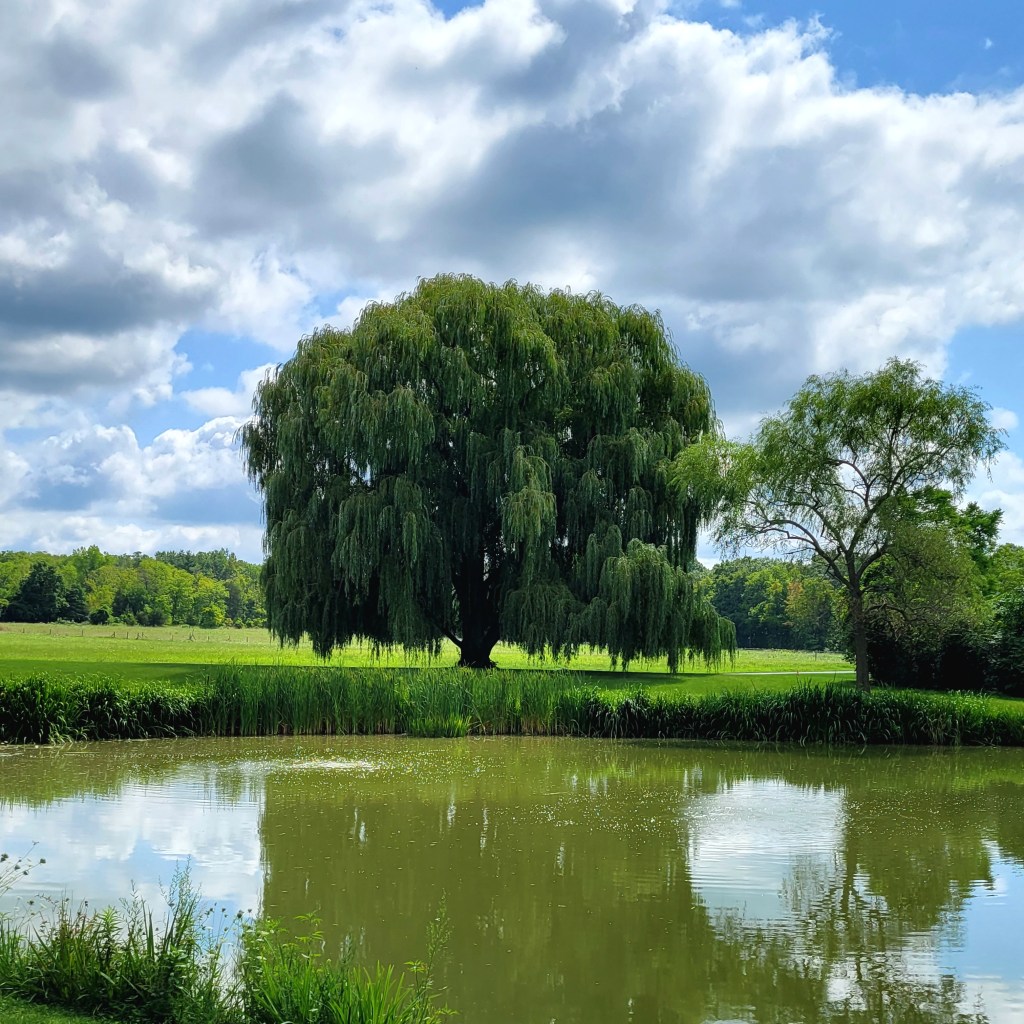
Summer is amazement. How many summers have come and gone! How many more? Pink phlox frame the black wrought iron gate of the Victorian house with mansard roof. Gardens dressed in greenery alone and a sweeping weeping willow tree overlook Lake Cayuga. In town, the small coffee shop, not a Starbucks in sight, makes a refreshing mocha latte with whipped cream. Shops catering to Baby Boomers pipe in “While My Guitar Gently Weeps.” We grew up in a time of turmoil, and now, in the graying chapter of our lives, we silently sway to that melancholy song, drawing us together for a moment in community.
Photo by Susan Weidener
My friend and I stroll toward the lake. A man and his dog walk the sidewalk. Although strangers, he smiles and says hello in the summer light. We sit in a white Adirondack chair. A motorboat speeds by kicking up a crest of white water. Being here offers mindfulness that strengthens my health, physically and emotionally.
When I return home, I look forward to meeting with my writing group and hearing the work of other women. Being together as creatives and devoting a morning to ourselves is a pleasure never to be taken for granted. I’ll write about the blue lake and the houses from another time when life was slower and people greeted you with a good morning … and still do. The peace, tranquility, and pleasure of listening, looking, and writing remain summer’s parting gifts.
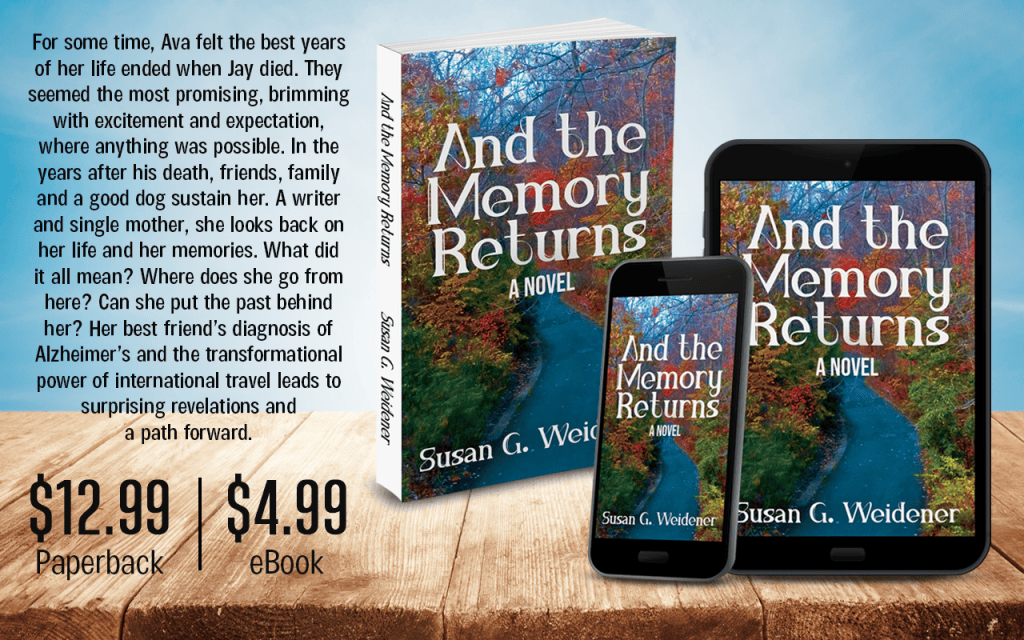
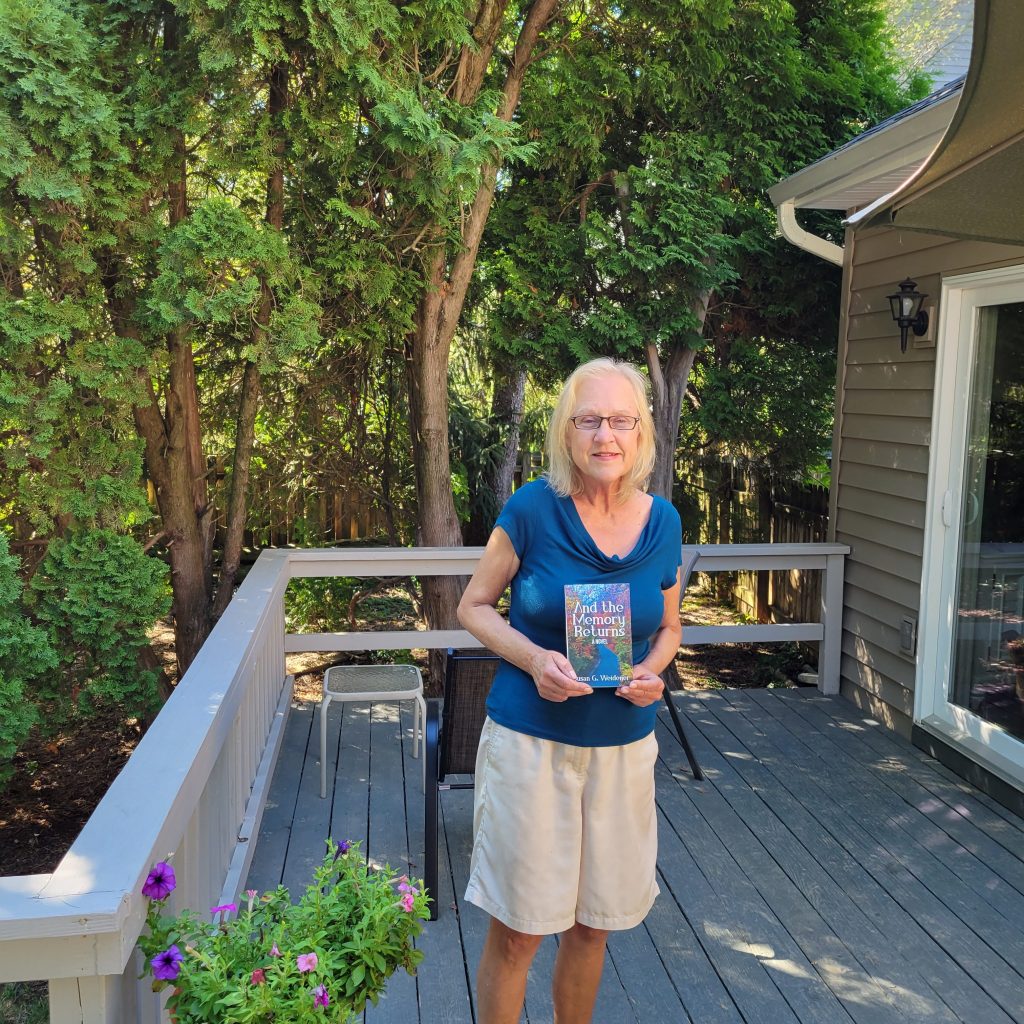
It was this time a year ago that I released my new novel And the Memory Returns. Like many authors, I didn’t go the traditional publishing route. I hired two editors, and a copy editor and chose Word-2-Kindle to format my novel and design my cover. It turned out to be a lot of work, but, despite disappointing sales, I have no regrets.
Like many authors who have published on their own, I’ll never be famous or make a fortune off my books or be on a bestseller list. According to data, fewer than 10 percent of traditionally published hardback books make the bestseller list, and the majority of those for only a few days or, at best, a couple weeks. Most self-published authors sell 250 books or less. Traditionally published books sell around 3,000 copies on average with only 250 of those sales in the first year, according to publishing data.
I wanted to get my books out there. And so I wrote And the Memory Returns, as well as my novel, A Portrait of Love and Honor, and my memoirs, Again in a Heartbeat and Morning at Wellington Square under my own publishing imprint. I wrote them to reach an audience interested in learning something they could apply to their own lives, as well as seeking an entertaining read. In my novels, my heroine, Ava Stuart, was a writer, a woman in love, a woman facing aging in a crazy world and hoping the lessons from her past could see her through the future.
Sometimes, it isn’t the novel turned movie on Netflix that makes the greatest impact, but the work of authors, some of whom will never be famous or receive great critical acclaim who can make a difference in the life of one person. It might be a small impact, but it matters. A story connects with them.
The lessons of a woman seeking to understand herself and those around her are always worth a read, especially in a world as alienating and lacking in community as ours. Even one affirmation of “Yes, I know this too. You’ve described a part of my life,” is high praise and means you have created something of meaning. And books spin off into teaching, speaking engagements, bookstore signings, and meeting other authors.
I treasure my reviews of And the Memory Returns because those reviewers gave me the highest praise any author could hope. Validation that this touched their lives. Wrote Marian Beaman, herself, an author who didn’t take the traditional publishing route and wrote two memoirs, Mennonite Daughter: The Story of a Plain Girl and My Checkered Life: A Marriage Memoir. “Near the novel’s end, Ava confronts questions that have been brewing throughout the narrative—Why did my husband have to die? Why did my best friend get Alzheimer’s? We get the impression our heroine won’t get the answers she would choose. Yet, with eyes and heart wide open, she sees herself surrounded with all the resources she needs to find an authentic soul-life, a rewarding path toward healing and wholeness.”
And this from reviewer, Laura L. Engel, an author who also took a non-traditional publishing route for her memoir, You’ll Forget This Ever Happened. “This story grasps the reality of what it is like for a woman who has suffered trauma and devastatingloss yet continues to strive to go forward and create a new life. Ava’s honest feelings and worries, her travels to forget, and her simple joys in her new life will touch your heart and you will cheer her along as she not only accomplishes that feat and flourishes, but she also learns to live her best life.”
***
Change and awakenings happen in the nooks and crannies of life, not at the top of a mountain, but in the trenches of day-to-day living in conversation with our neighbors or in a solitary moment of moonlight on a summer’s night. As author and screenwriter Richard Price put it, “You don’t write about the horrors of war. No. You write about a kid’s burnt socks lying in the road.”
Our stories, our books may touch one or many lives. Storytelling is the foundation of all that makes us human. For those of us who write, we, too, find the reward in many ways from exploring our own lives and then offering up our observations and lessons learned to our readers as we present a story fraught with human emotion and conflict. So, this is for all the authors out there who have had the heart and soul, and courage to write AND publish a book, whether self-publish, hybrid publish, or independently publish without an agent or a marketing firm. Don’t let anyone dismiss you if you’re not on the New York Times bestseller list. By the way, much has been written about that including the “elite” club of only New York publishing house books that have a leg up on making that list.
You’re not an unknown author. You’re an author. You did it.
“The problems of the human heart in conflict with itself… alone can make good writing because only that is worth writing about, worth the agony and the sweat.” ~ William Faulkner